We led a $9.3M Series A round to back Antiverse’s mission to conquer the pressing issue of modern medicine: targeting diseases once deemed undruggable. By integrating AI/ML learning with in-house wet labs, the UK-US-based biotech is designing bespoke antibodies for the world’s most elusive protein targets. Here is how their AI-powered lab-in-the-loop platform fundamentally redefines drug discovery.
In the context of the global healthtech industry, Antiverse’s technology is no small feat. The “undruggable challenge” has remained one of pharma’s most pressing issues for decades, with the elusive proteins of severe, life-altering conditions being notoriously hard to target and too complex for traditional therapies to bind to.
In addition to that, the current pharmaceutical landscape is defined by high stakes and even higher failure rates – roughly 90% of drug candidates never make it past clinical trials. This means sunk costs, and, perhaps more importantly, years of time wasted for whole patient populations with medical needs unmet. For complex targets like ion channels and GPCRs – which play vital roles in diseases such as cancer, neurological disorders, and rare genetic conditions such as cystic fibrosis – the success rate is even bleaker. Despite their crucial biological role, over 200 disease-linked GPCRs currently have no effective treatment options. The commercial opportunity is significant, with the global antibody discovery market projected to surpass USD 20.43 billion by 2034.
This is where generative AI meets the wet lab.
Unlike traditional methods that screen existing libraries in the hope of finding a match, Antiverse uses a “lab-in-the-loop” strategy. This means it uses machine learning to generate therapeutic antibody candidates for a given disease target, which are then built and tested in its own labs. These antibodies are tested on proprietary cell models that show the target protein as it appears in the human body, helping researchers see which ones work in realistic conditions. The finished, therapeutic-strength antibodies are then readied for clinical testing.
Antiverse’s lab-in-the-loop infrastructure reduces the development time to months compared to years, allowing the team to move from a potential candidate to a therapeutic-strength antibody with remarkable speed and relevance. And this fail-fast-to-succeed-sooner model is precisely what the industry needs to move the needle on the 90% failure rate mentioned above.
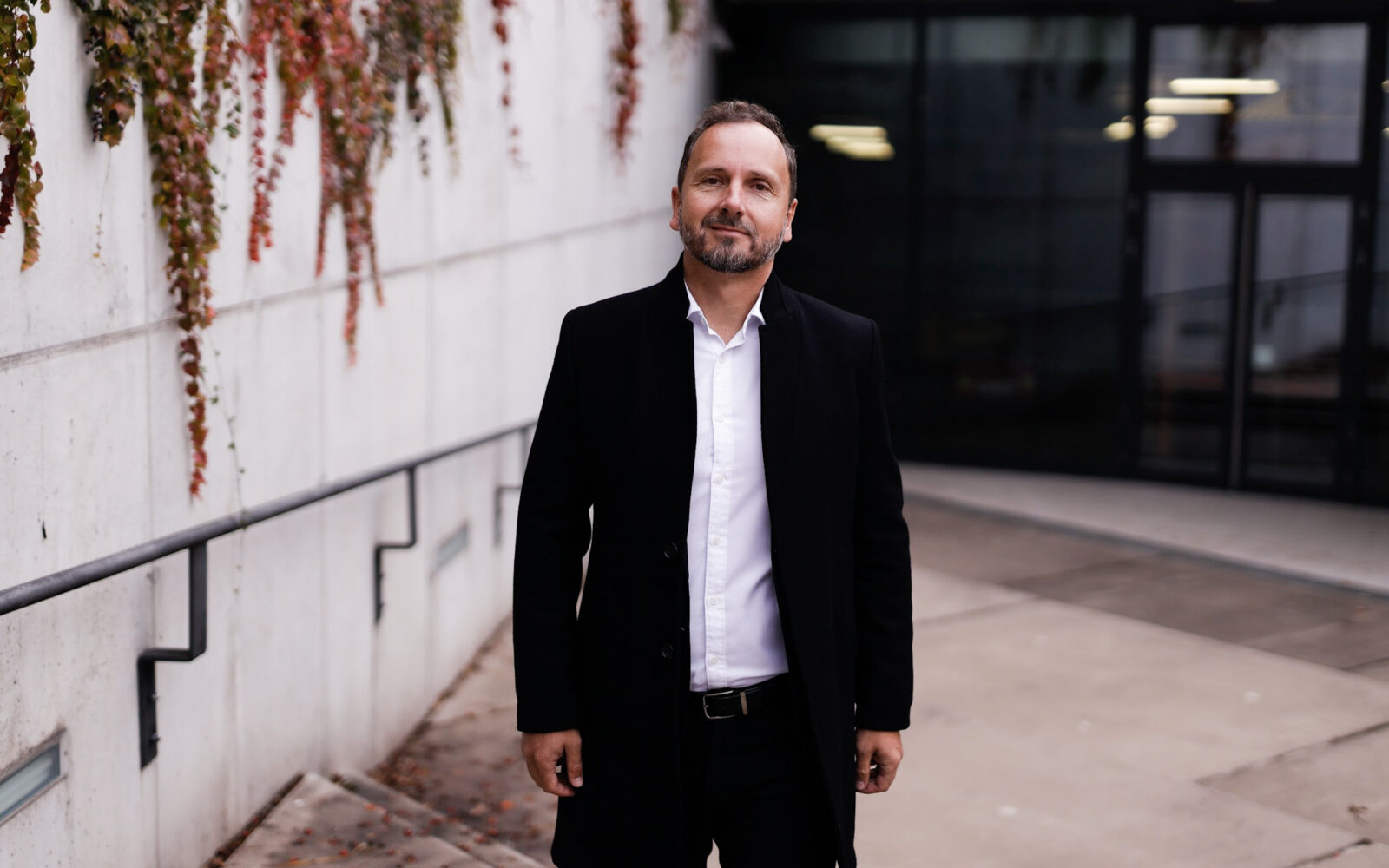
“The team’s ability to reduce the development time for de novo therapeutic-grade antibodies in a defined domain to under four months is a significant scientific and operational achievement,” stresses Michal Sikyta, our Managing Partner. “This capability, combined with the AI-driven design and in-house labs, positions Antiverse on track to become a global leader and the go-to developer of antibody therapies for the most elusive disease targets in medicine.”
This is why we led the $9.3M Series A other experienced investors. Antiverse’s technology brings a radical, if not disruptive shift in the entire economics and structure of antibody drug development. The cost and time efficiency is already immense. And this is only the beginning. The new Series A funding brings Antiverse’s total capital raised to over $20 million. With the new injection, Antiverse is now looking to progress its first wholly owned candidates into later-stage preclinical development by 2027, while continuing to support pharmaceutical partners with antibody discovery programs. And its trajectory is already gaining international momentum.
Beyond the announcement: what’s next for Antiverse?
The Cardiff-Boston-based company has just entered into a research agreement with the Cystic Fibrosis Foundation.
“This Series A financing enables us to scale our generative antibody design platform, accelerate our internal pipeline, and expand strategic collaborations such as our work with the Cystic Fibrosis Foundation, where our technology is applied to explore challenging targets like extracellular CFTR,” comments Murat Tunaboylu, Co-Founder and CEO of Antiverse. “Together, these efforts help inform future research efforts and allow Antiverse to continue advancing our own therapeutic programs for patients.”
The CFF agreement is the newest addition to Antiverse’s growing portfolio of alliances, including partnerships with several Top-20 global pharmaceutical firms as well as the technological leader Nxera Pharma.
Ultimately, the true endgame is medical transformation. The antibodies produced by Antiverse aren’t merely proof-of-concepts – they are designed at full therapeutic strength, engineered specifically to bridge the gap between the lab and the patient. The startup is opening the door to life-saving treatments for large patient populations in oncology and rare genetic conditions.
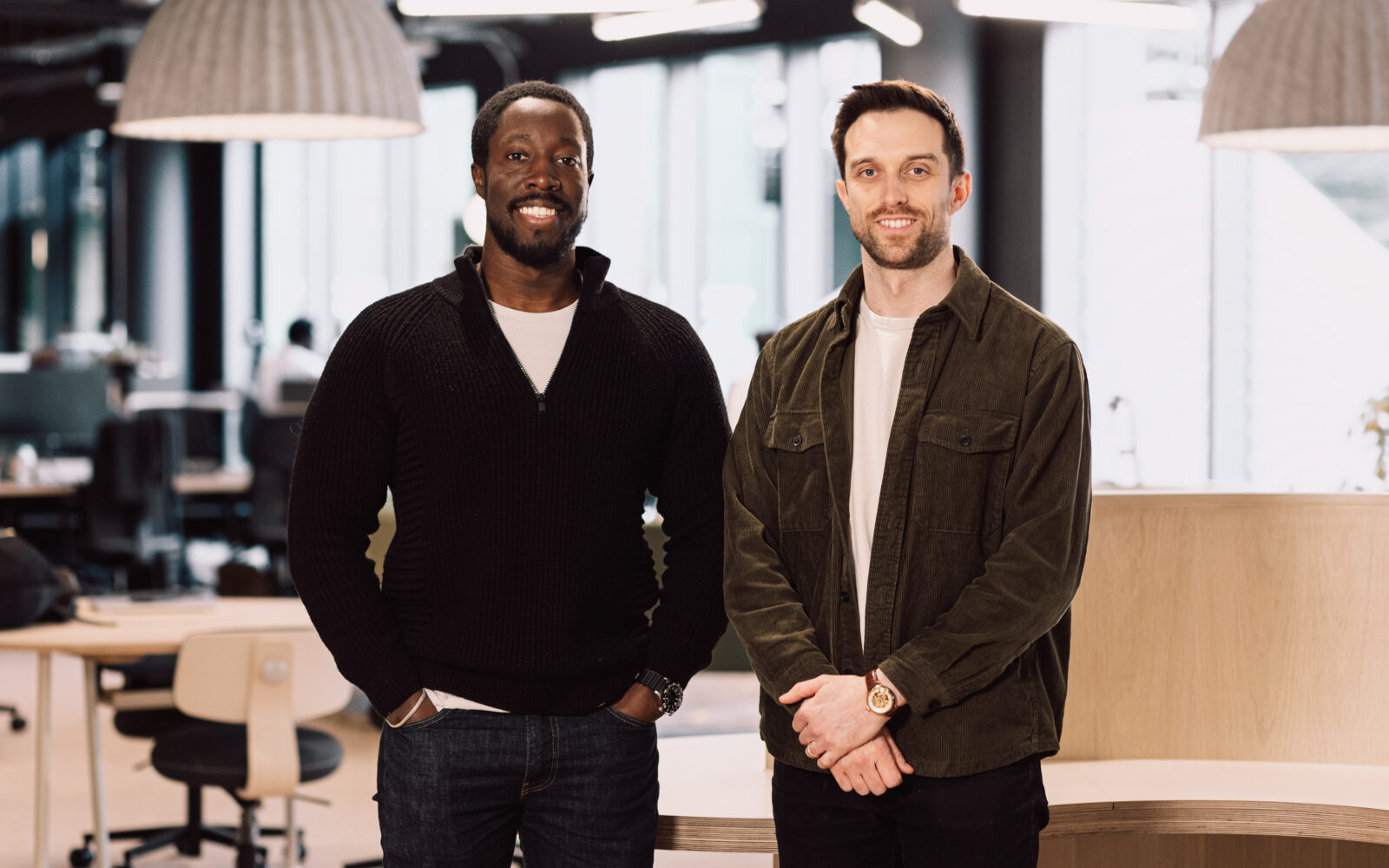
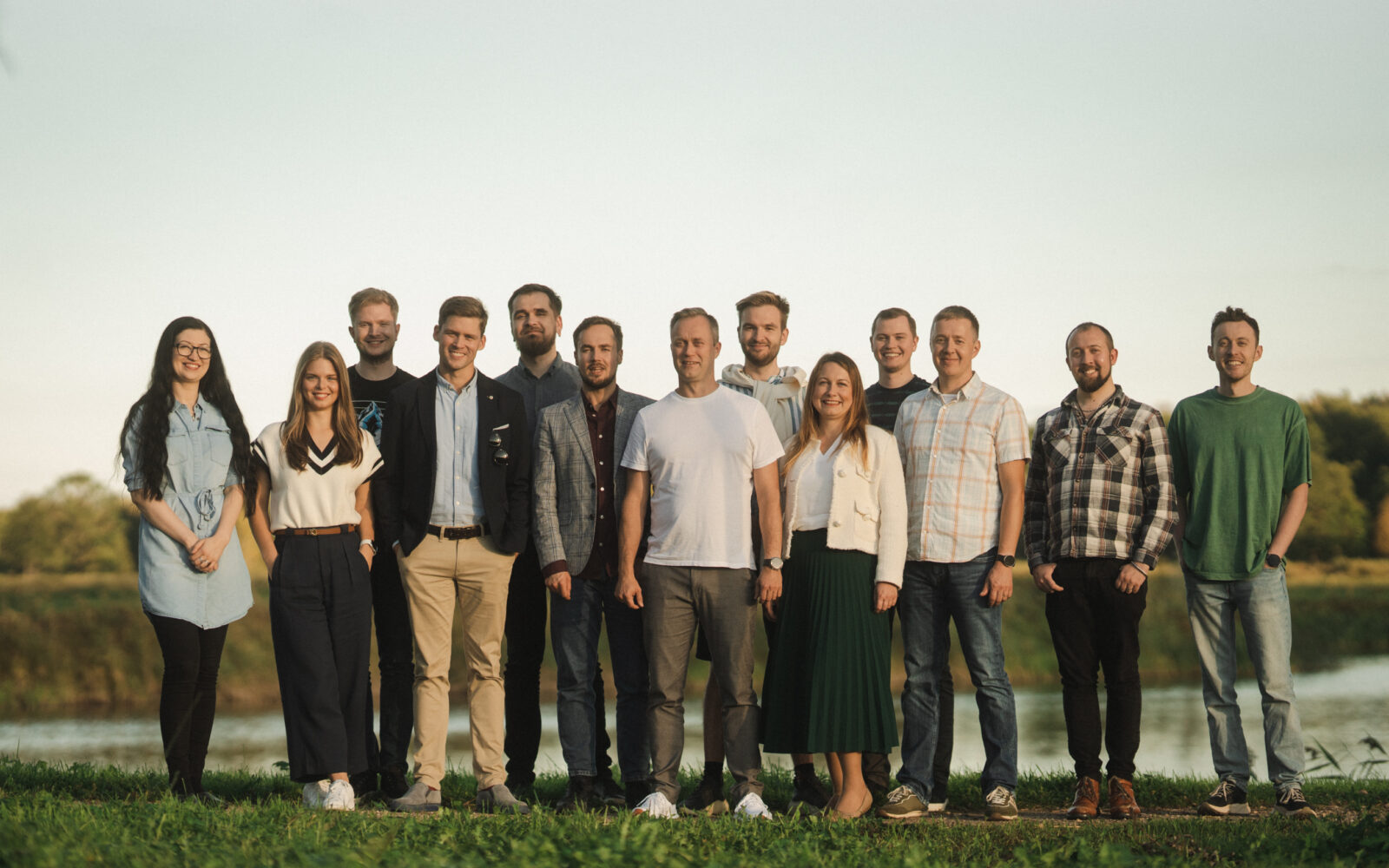
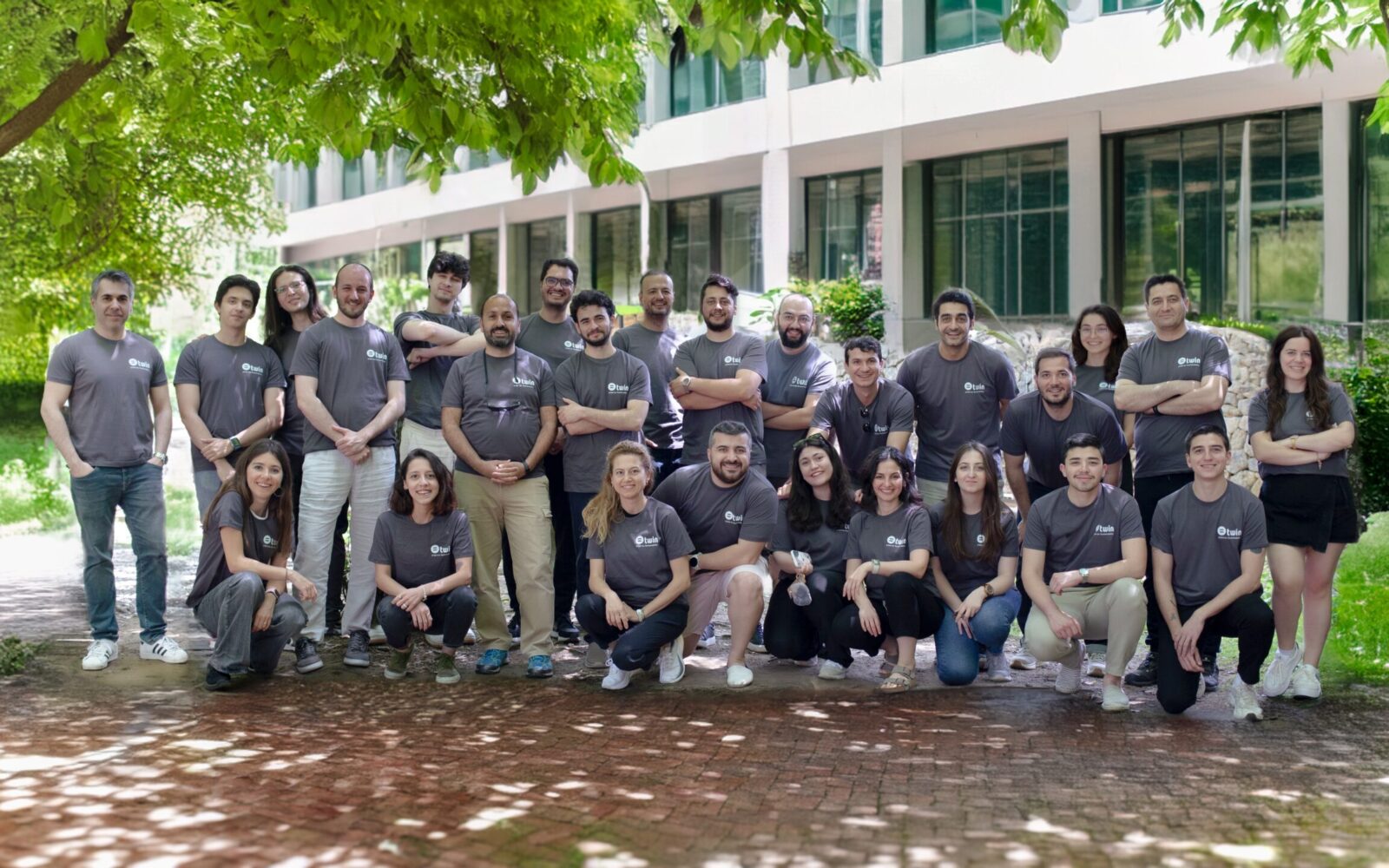
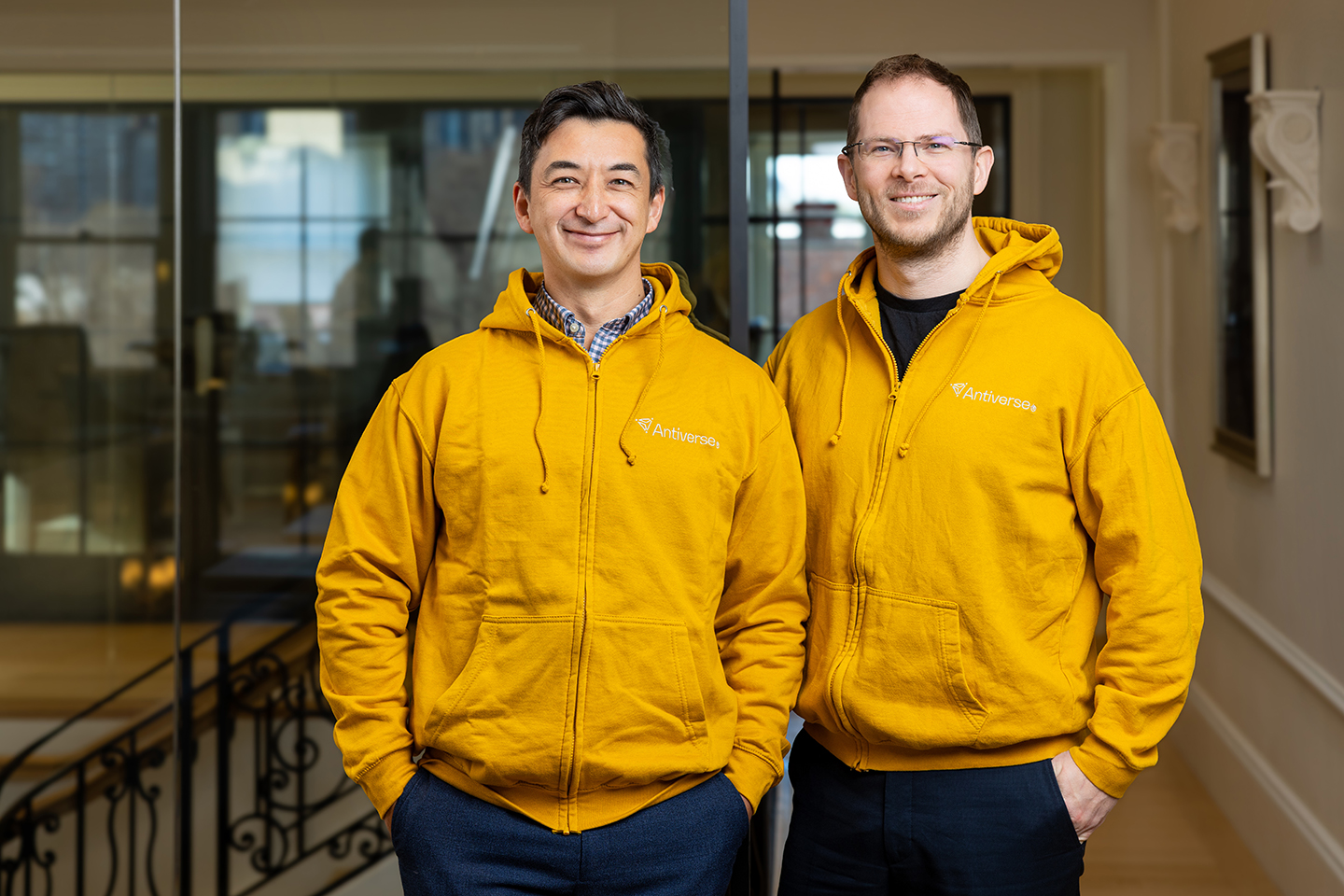
Congratulations to the Co-Founders, CEO Murat Tunaboylu and CTO Ben Holland, as well as the whole Antiverse team. You’ve come a long way and we’re honoured to support you on the journey ahead.
Sources:
- Why 90% of clinical drug development fails and how to improve it? – Acta Pharmaceutica Sinica B, July 2022. https://www.sciencedirect.com/science/article/pii/S2211383522000521
- Antiverse and the Cystic Fibrosis Foundation to Identify Nanobodies for ‘Undruggable’ Target – GEN Edge, January 2025. https://journals.sagepub.com/doi/10.1089/genedge.7.1.050?icid=int.sj-full-text.similar-articles.8
- Antibody Discovery Market Size to Surpass USD 20.4 BN by 2034 – BioSpace, January 2025. https://www.biospace.com/press-releases/antibody-discovery-market-size-to-surpass-usd-20-4-bn-by-2034-fueled-by-precision-medicine-and-biotech-innovation