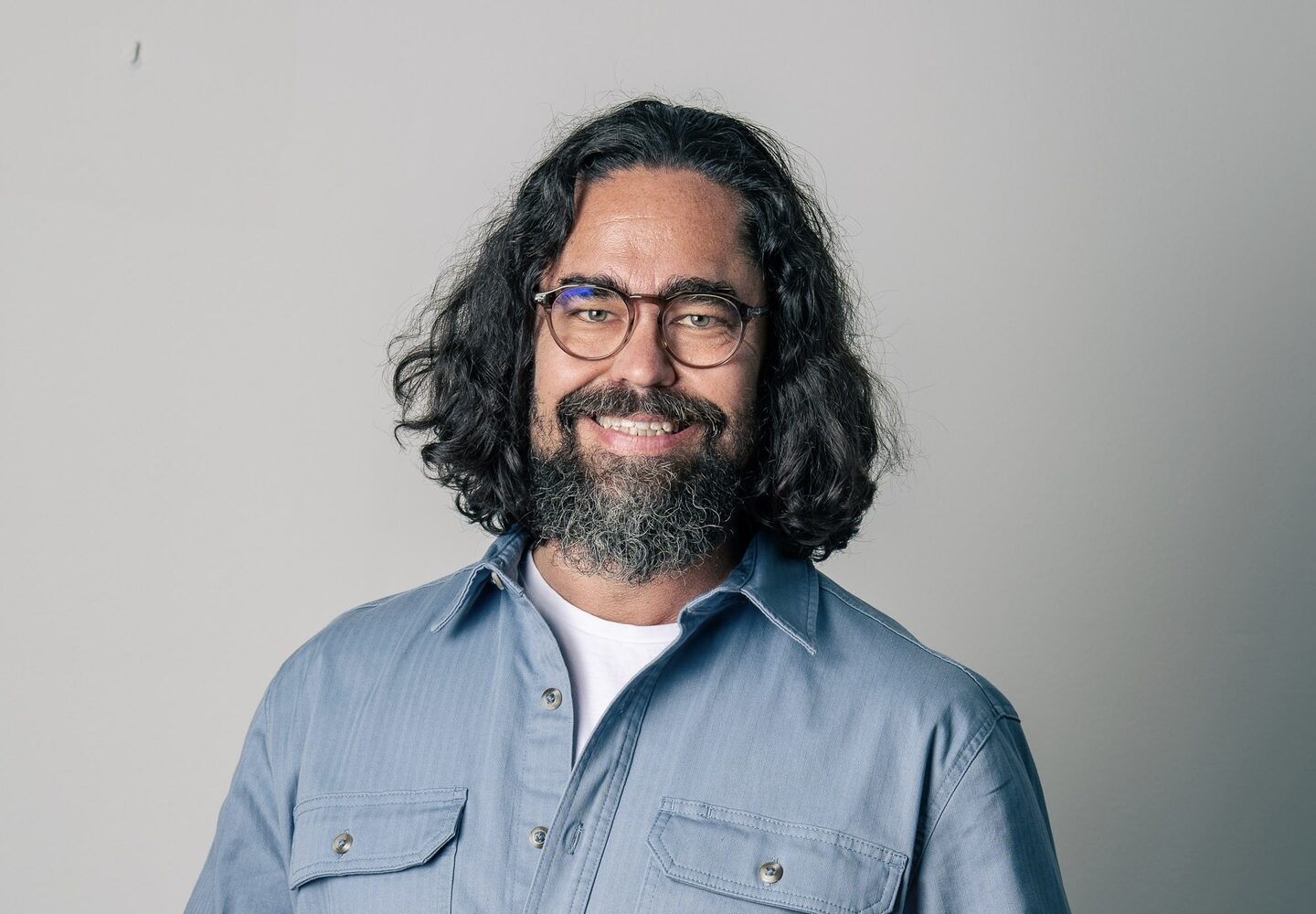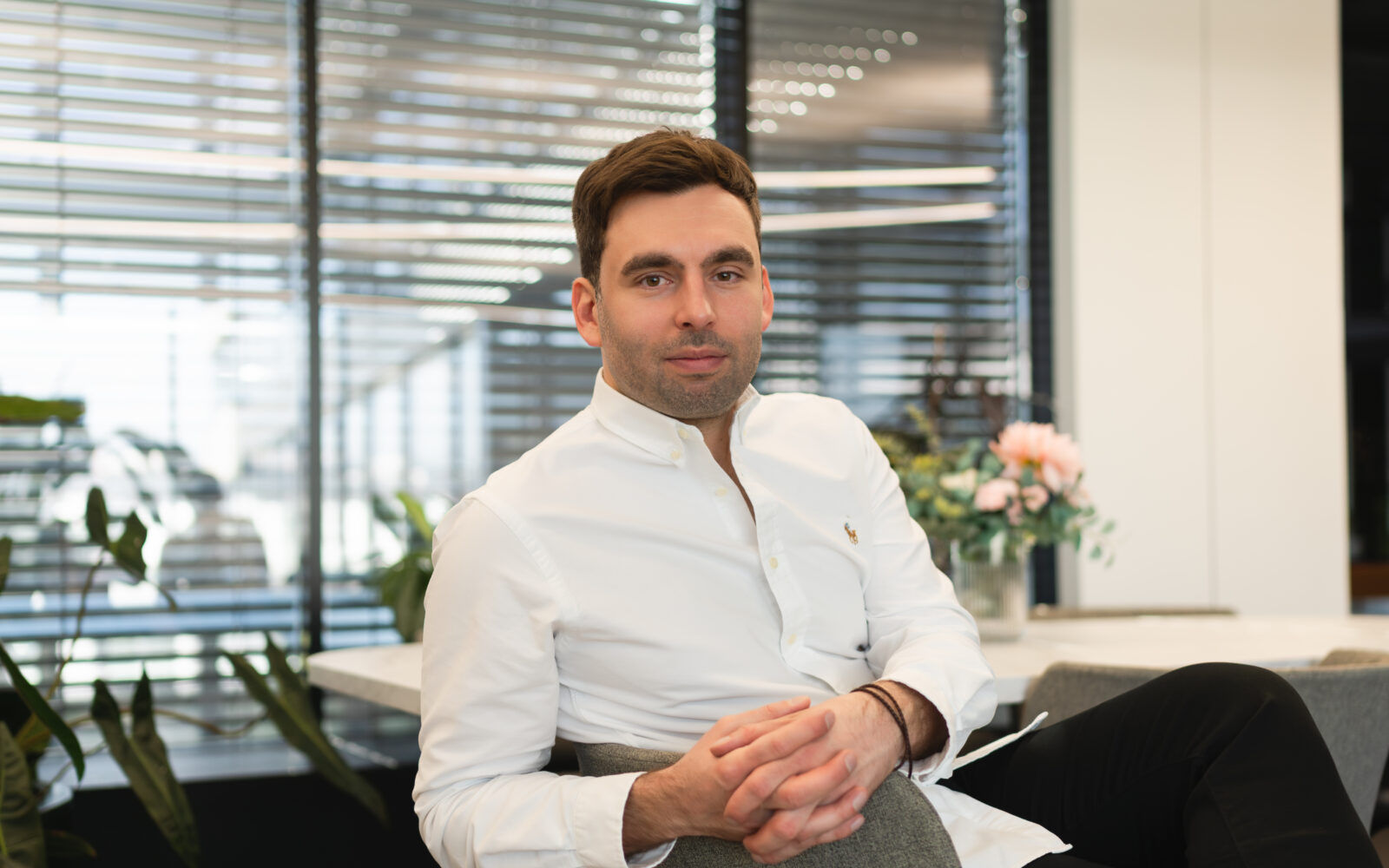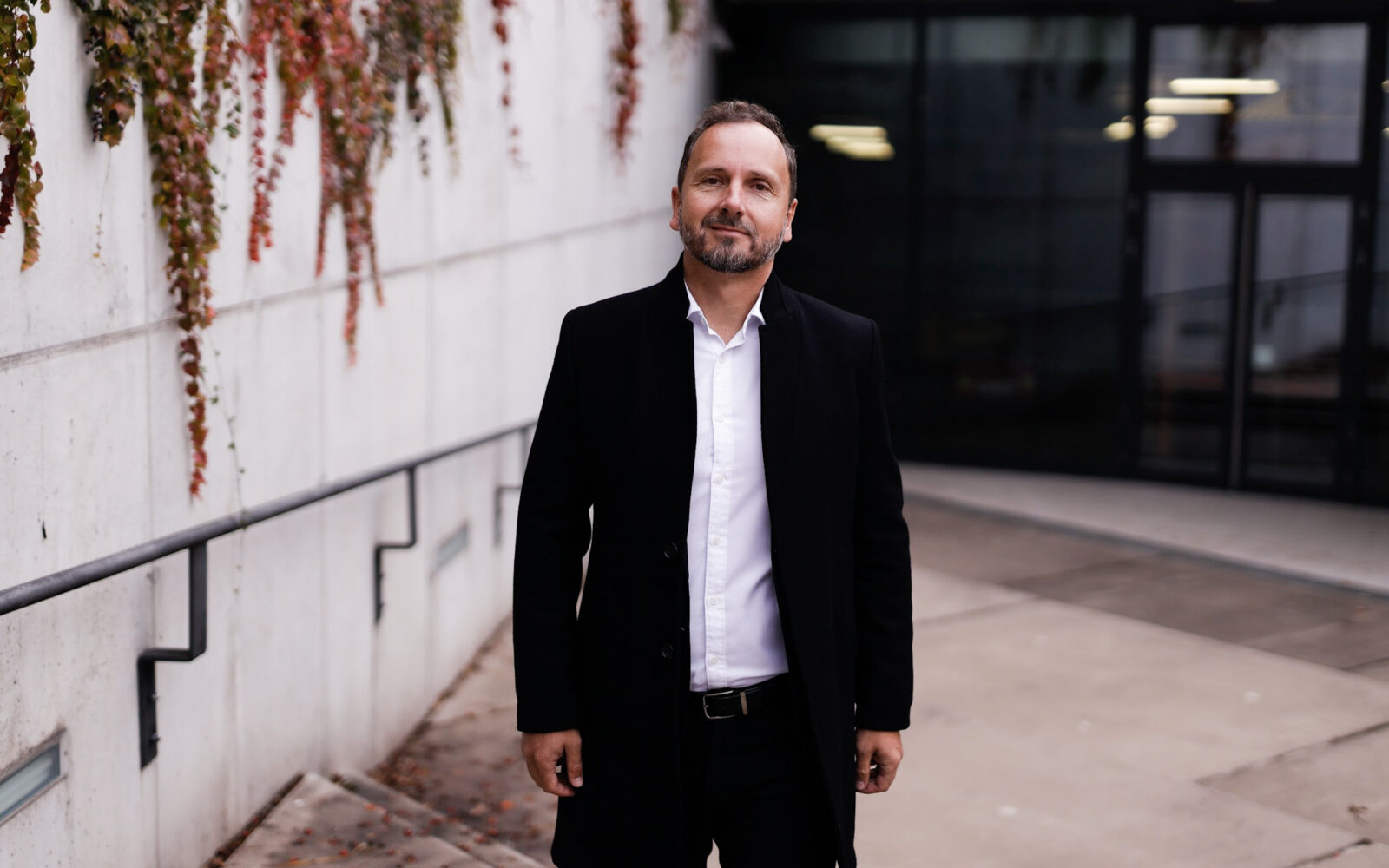
On the eve of the SFDR overhaul, we sit down with Julian Toth and Tomáš Kabeláč to discuss not only the regulatory implications of the EU’s disclosure framework, but also the underlying strategy of strict sustainability rigour.
The Sustainable Finance Disclosure Regulation (SFDR) was initially introduced by the EU to push investment funds to be transparent about their compliance. Under the current EU rules, Article 9 is the highest sustainability standard a fund can achieve. The European Commission is now moving to simplify this landscape by replacing the current complex categories with three clear labels: Transition, ESG Basics, and Sustainable. To qualify for the top Sustainable tier, funds must now meet a strict 70% investment threshold and follow tougher exclusion rules.
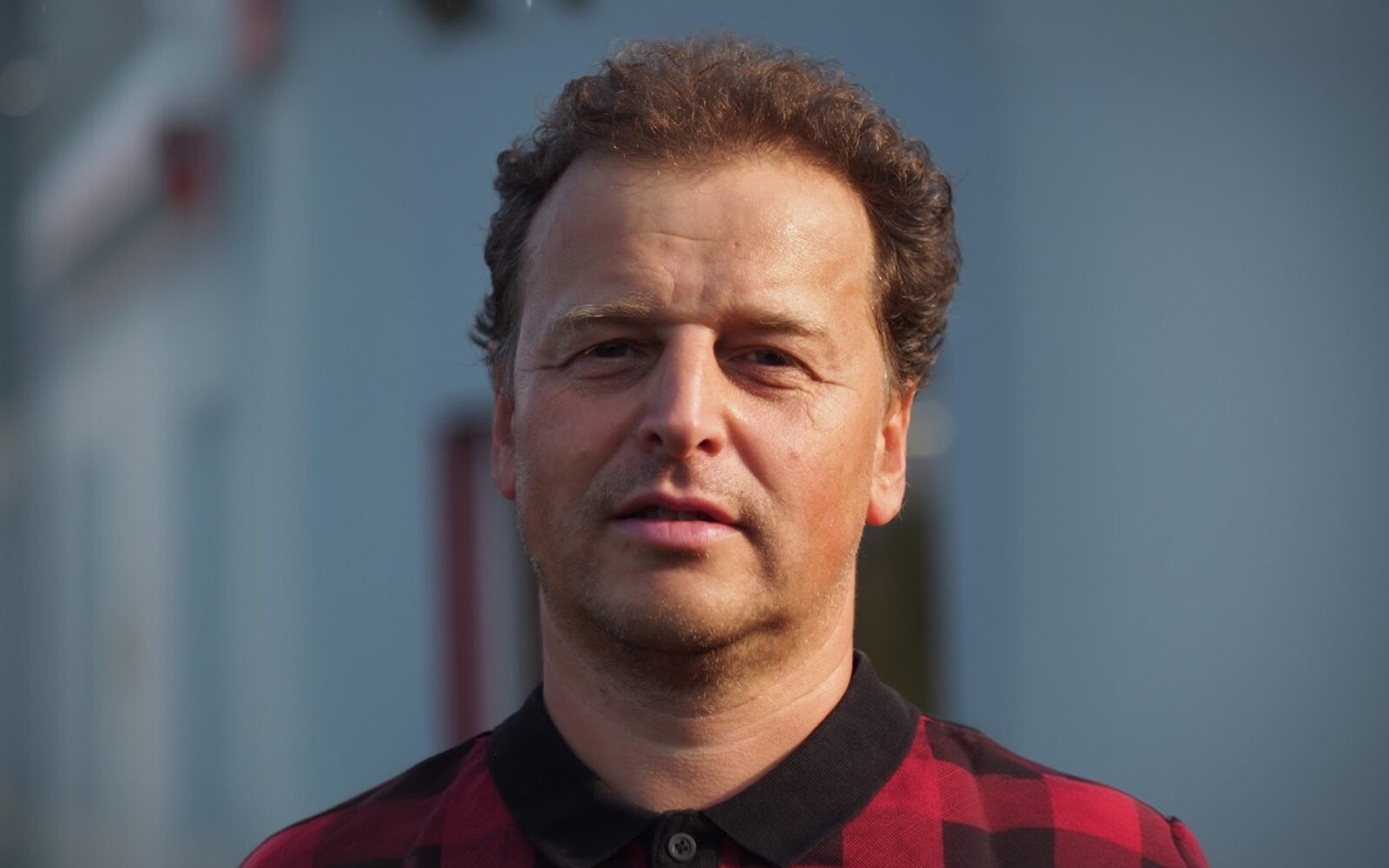
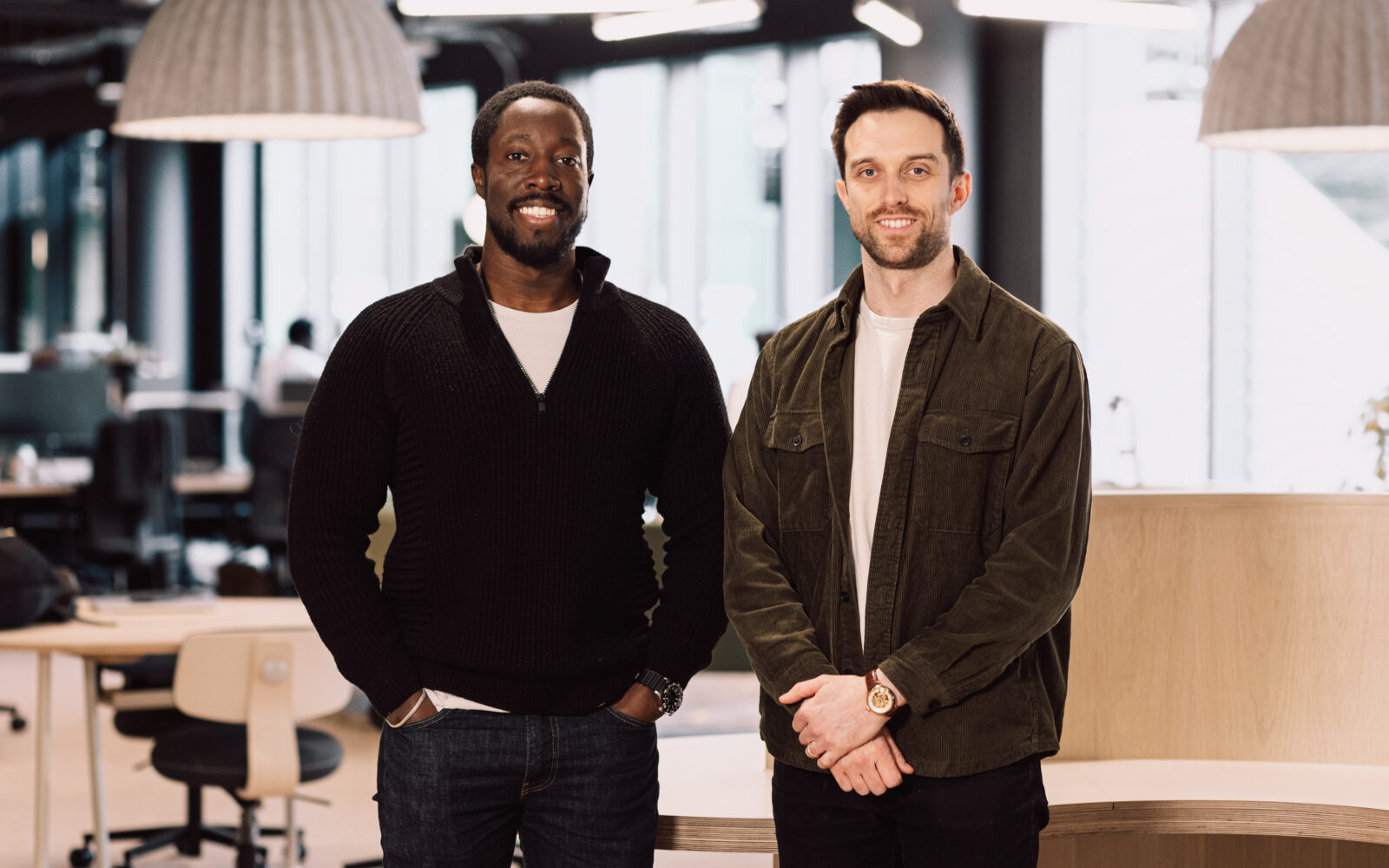
For Soulmates Ventures, this shift is less of a pivot and more a validation of a strategy built from day one. Julian Toth, the former COO at the International Sustainable Finance Centre, recently joined the Soulmates Ventures team as Investment Manager. Together with Tomáš Kabeláč, our Sustainability & Innovation Manager, they bridge the gap between reporting headaches and future-proof shielding – and reposition the burden of Article 9 as a highly pragmatic advantage for the next generation of founders.
Soulmates Ventures decided to adhere to Article 9 in 2025. What was the underlying motivation in this day and age? And now that the Commission has proposed replacing it with a formal Sustainable category and a 70% threshold, how does this change the game for you?
Julian: When Soulmates Ventures was launched, our fundamental conviction was that in the long run, the highest economic potential lies in companies driving the transition toward a greener, more resilient, and more just economy. For us, sustainability isn’t a side-car to the business. It is the engine of the business strategy itself.
Tomáš: Exactly. While the market initially struggled with Article 9 as a complex disclosure burden, we welcomed it as a necessary framework that gave us a structured way to communicate the rigorous internal lens we were already using. That’s why we welcome the new SFDR 2.0 proposal. The move toward a 70% investment threshold and more sophisticated data requirements brings the regulatory standard much closer to our actual daily practice. Rather than forcing us to pivot, this evolution provides a clearer, more precise language for us to share our strategy. It is less about us meeting new rules, and more about the global framework finally catching up to the level of quality we believe the market deserves.
The new Sustainable category is expected to remain a highly selective tier (estimated to 7% of funds). What does staying within this tier signal to your LPs and global partners?
Tomáš: Staying within this tier is a clear indicator of institutional-grade sophistication and sustainability commitment. For our LPs and global partners, it demonstrates that Soulmates Ventures has the technical and operational depth to manage EU’s highest standards for investing in sustainability. In a market increasingly wary of greenwashing, being in the top 7% provides an immediate layer of trust.
Julian: It signals that our portfolio has been vetted through a lens that is both financially demanding and holistically rigorous. Ultimately, it tells our partners that we are playing the long game, building a portfolio designed to thrive in a regulated, transparent, and low-carbon future. We aren’t just following the market. We are positioning our portfolio companies to lead it.
Then again, Article 9 is often seen as a premium or a cost. How do you use these metrics to identify technologies that actually lower the cost of energy, water, or healthcare?
Tomáš: We don’t view Article 9 as a costly burden; we see it as a high-resolution lens for economic efficiency. Our metrics specifically target technologies that solve resource scarcity or manage social risks. A startup that can reduce energy or water consumption by 40% isn’t just green – it is inherently more cost-effective.
Julian: Beyond efficiency, Article 9 is a powerful tool for risk management. By tracking these metrics, we identify founders who have a superior grip on their operations. A company that understands its environmental and social impact, and its governance, is, by definition, better at identifying and mitigating external shocks, especially when it grows. Ultimately, we use these metrics to find resilient technologies that are less vulnerable to the risks of the old economy and better positioned to capture the value of the new one.
With the US and EU frequently moving the goalposts on sustainability reporting, how are you using Article 9 criteria to build a universal compliance shield for your portfolio?
Julian: We are very aware that founders are already juggling a million priorities, from product-market fit to runway. Adding Article 9 requirements can feel like an extra burden if you view it as a standalone compliance task. But we don’t. We view it as a future-proofing strategy. By leaning into the most rigorous standards now, we are essentially helping our founders to get ready for the future expectations from large clients, potential buyers, or any upcoming fundraising. If they can manage our data requirements today, they are effectively pre-cleared for almost any global disclosure regime they’ll face later and significantly de-risk the business for future investors – whether they’re eyeing a U.S. expansion, a European exit, or fundraising from larger international investors.
Tomáš: In a way it’s about avoiding non-financial risks. Just like any technical debt slows down a software team, the ESG debt slows the company down – be it a fundraising, capital increase, business development, or a subsequent exit. We know it’s hard work in the early stages, which is why we don’t just demand the data. Instead, we help them build the systems to collect it, making sure the process doesn’t turn into a lengthy strain. Moreover, we bring a one-team approach to reporting, taking the heavy lifting off their plate so they can stay focused on their priorities, like business and product development.
Our goal is to make sure that when a global corporate buyer or a first-tier institutional investor does their due diligence, our founders have the answers ready. We turn the friction of Article 9 into a shield that positions them for future market opportunities. Ultimately, a sustainable asset is a de-risked asset – meaning it lowers the risk for investors and insurers alike, because it shows the owner actually knows how to mitigate long-term risks.
Speaking of future shocks, what are the upcoming sustainability reporting requirements most founders underestimate?
Julian: The biggest mistake founders make is thinking that sustainability reporting is just a back-office compliance task. By 2027, it will be a primary commercial gatekeeper. While a great product still opens doors, the final mile of a contract is increasingly also governed by a corporation’s own Net Zero commitments. It also directly affects the approval of credit lines or insurance premiums. If a startup cannot provide verified impact data, they create a compliance friction that can delay or even kill a deal.
Tomáš: Many founders also underestimate the complexity of Value Chain Transparency. Large enterprises no longer just want a supplier. They need a partner whose data helps them hit their own legally binding targets. You cannot build that data infrastructure overnight. We help our founders bridge this data gap early so they are ready-to-buy. By having these metrics ready, they aren’t just selling a product; they are building the best possible value proposition for the clients.
Sources:
SFDR 2.0 in Figures: Impact Analysis. Sustain Analytics, November 2025.