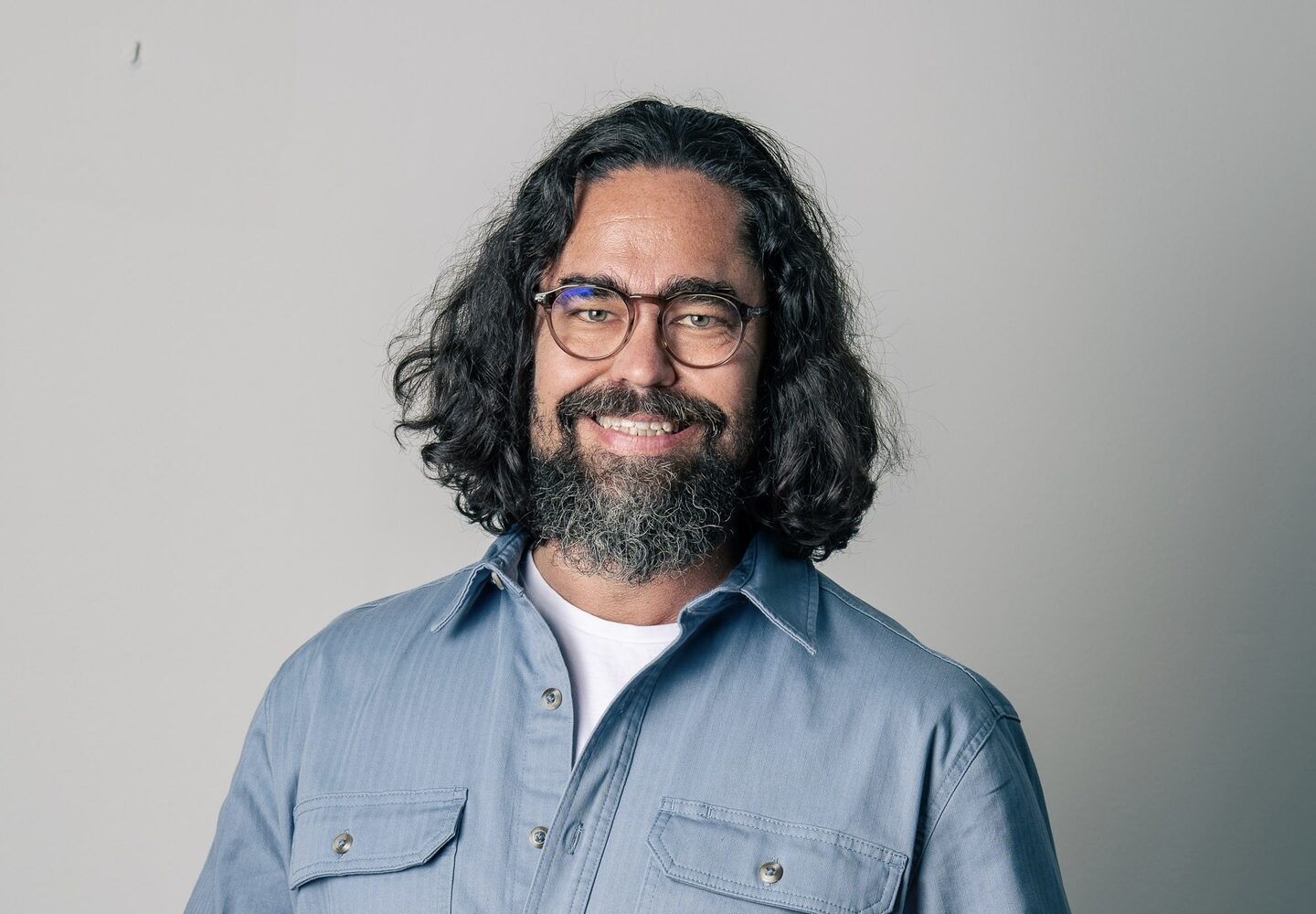
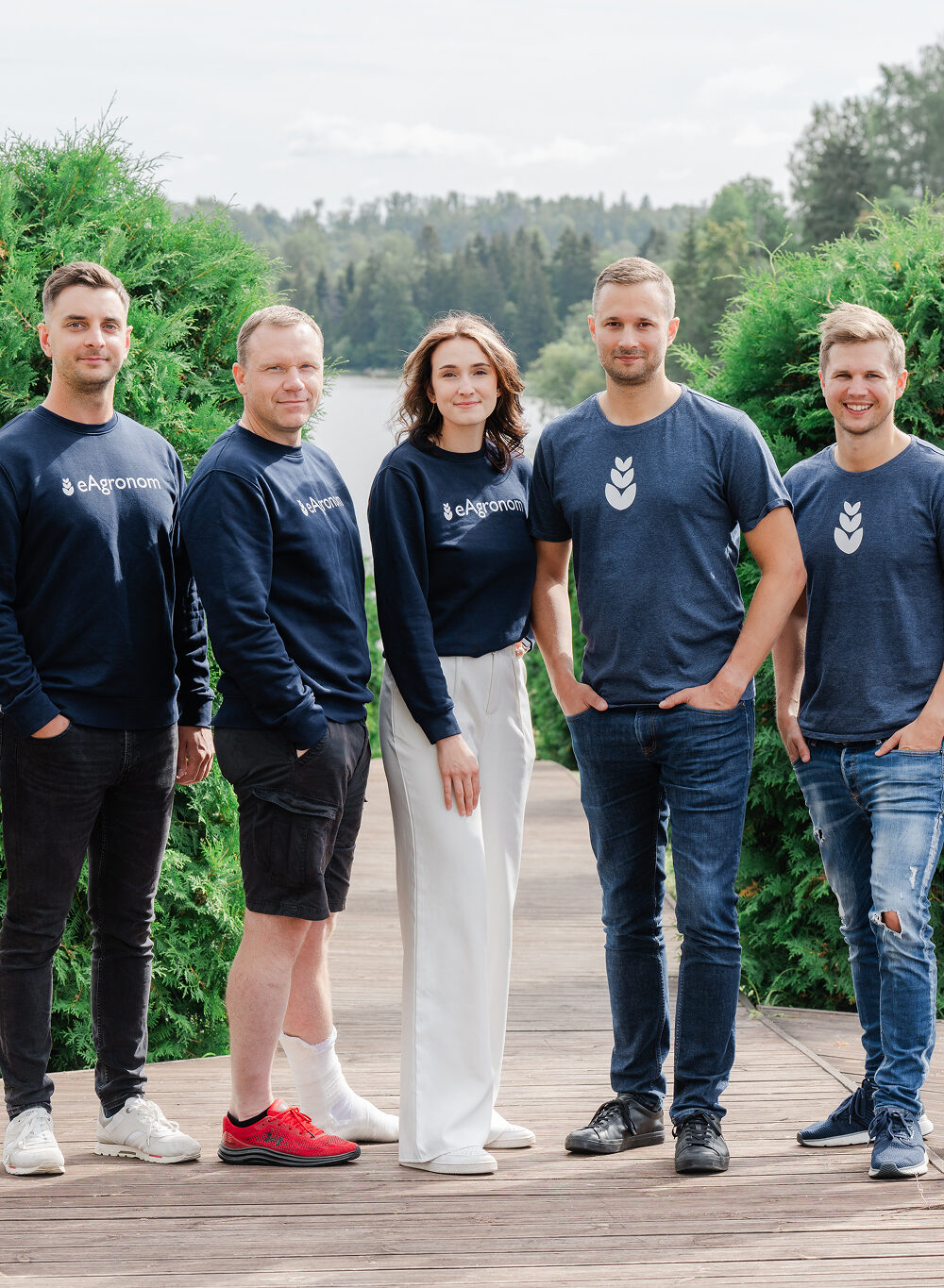
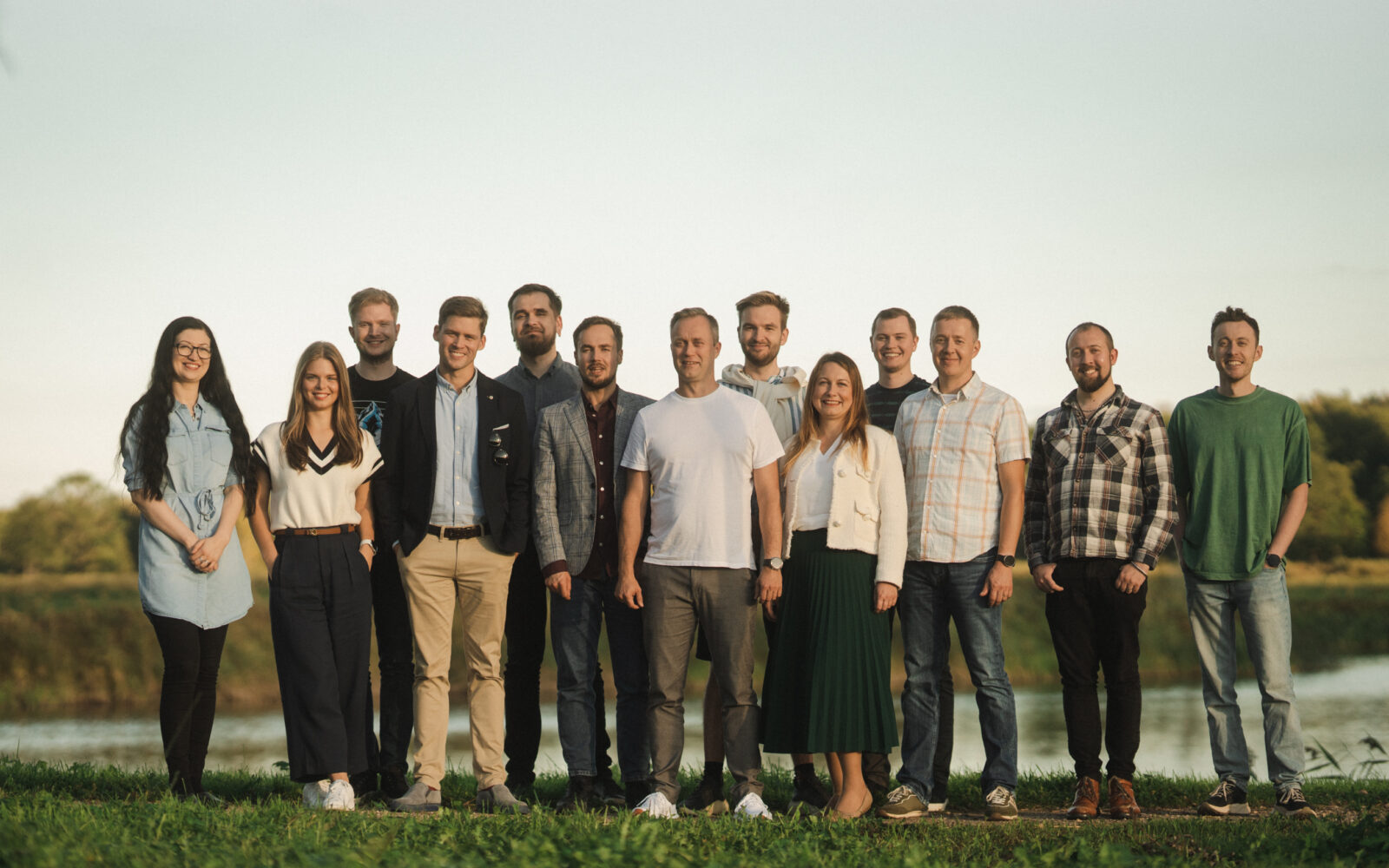
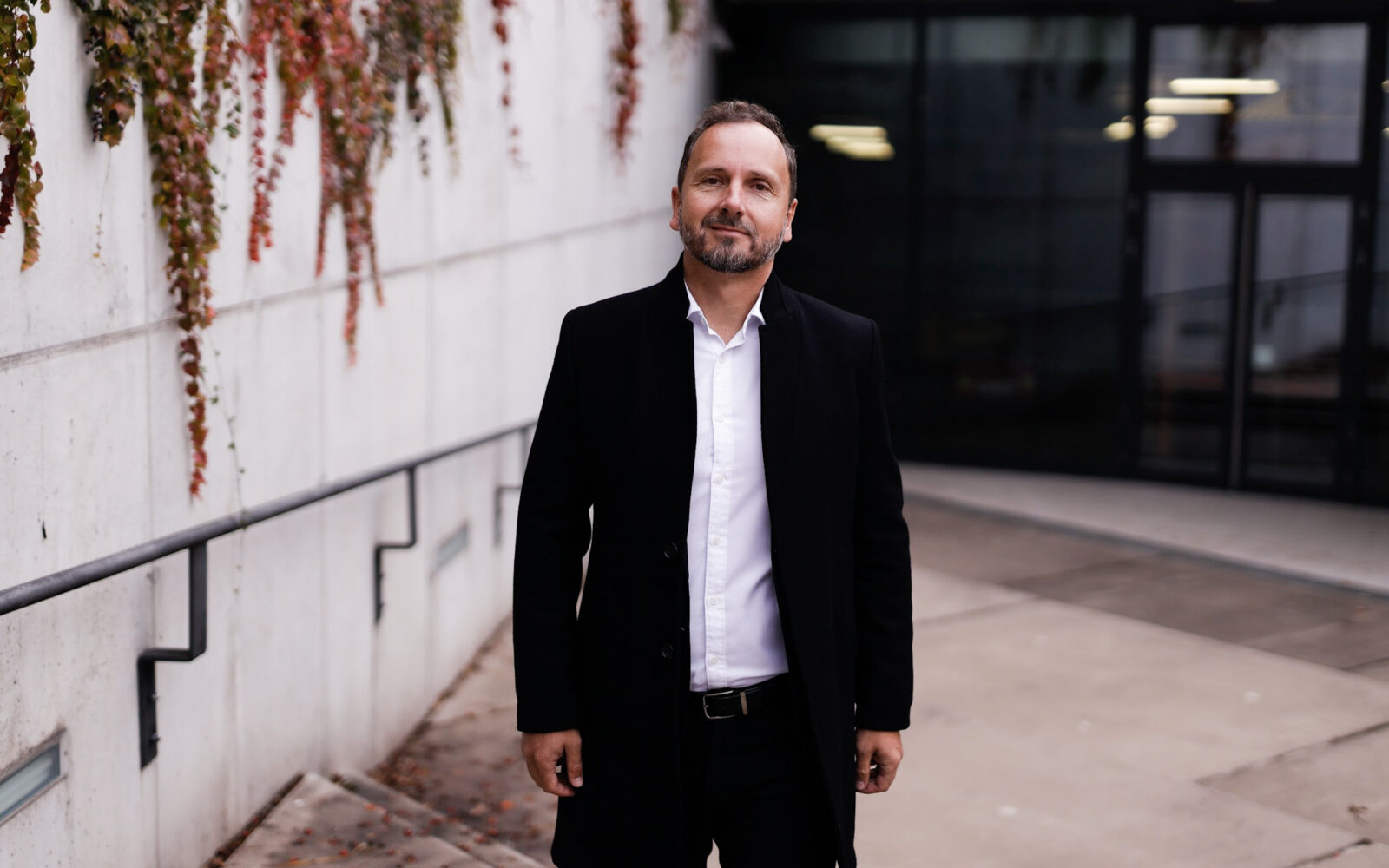
Robin Saluoks is a leading proponent of soil-forward agricultural practices and the Co-Founder and CEO of eAgronom, an Estonian startup guiding farmers towards regenerative farming and creating an additional revenue stream through Verra-certified carbon credits.
Robin’s pragmatic commitment to soil health, as well as his invaluable farming background, offer a much needed clarity in the fragmented landscape that is today’s carbon market. Learn more about his business principles and high-value ethos in this new episode of our Another Angle series that we dedicated to carbon credits and the long-term financial viability of soil-forward farming.
Robin, we know that for farmers, transitioning to regenerative farming is a long-term investment. How does eAgronom help bridge this financial gap so that adopting soil-forward practices doesn’t compromise a farm’s stability?
Correct – transitioning to regenerative farming is not just a technical change, it’s a financial one. In the first years, farmers often face additional costs, new risks, and sometimes lower yields. We address this on multiple fronts.
Farmers are at the core of everything we do. We focus on empowering them to transform their daily operations into a competitive advantage, turning improved soil health into a high-value revenue stream.
On the knowledge side, we invest heavily in practical support. We run field trials and organise events across Europe to help farmers see what works in real conditions. This reduces their uncertainty, because they sense that they’re not experimenting alone. On the financial side, we help them create a new income stream, which helps bring forward some of the long-term value into today’s cash flow.
And just as importantly, we focus on data. With automated data collection, we can show what is actually happening on the field. That makes the transition more transparent and credible – not just for farmers, but also for banks and corporate partners. Transparency and credibility then naturally open the door for co-financing. Financial institutions and supply chain partners are obviously more willing to support the transition when they can rely on real data and verified outcomes.
Overall, our goal is simple: make regenerative farming a financed transition, not a financial burden.
Speaking of transparency, your data clearly show how regenerative practices make soil healthier. How do you expect this demonstration to change the way financial institutions value a farm in the future?
Agriculture is one of the rare industries where climate mitigation and adaptation go hand in hand.
Put simply: when farmers build carbon in the soil, they remove CO₂ from the atmosphere. But at the same time, the very carbon improves soil structure and water retention. In practical terms, fields indeed become more resilient – better equipped to withstand droughts and recover from heavy rainfall. This is becoming critical because extreme weather is no longer rare and begins to reshape the risk profile of farming.
There is also a systemic financial implication to this. Banks have traditionally treated farmland as very stable collateral. But if several bad years hit a region, many farmers may be forced to sell land at the same time. If there are not enough buyers, prices can fall quickly. What was assumed to be a safe asset can suddenly become volatile.
That is why soil health is starting to matter financially. We are already seeing banks look at regenerative practices and soil carbon as indicators of resilience. It is gradually becoming part of how they assess risk — alongside more traditional metrics.
Over time, this will likely translate into real financial outcomes: farms with healthier soils and more stable yields will be seen as lower risk. Logically, that should be reflected in better financing conditions and opportunities.
However, the carbon market is currently flooded with cheap and low-quality offsets. Why did you choose the harder path of high-cost credits certified under the VM0042 Verra methodology and based on European soil – and how do you convince buyers that paying a premium for this level of integrity is actually a smart move?
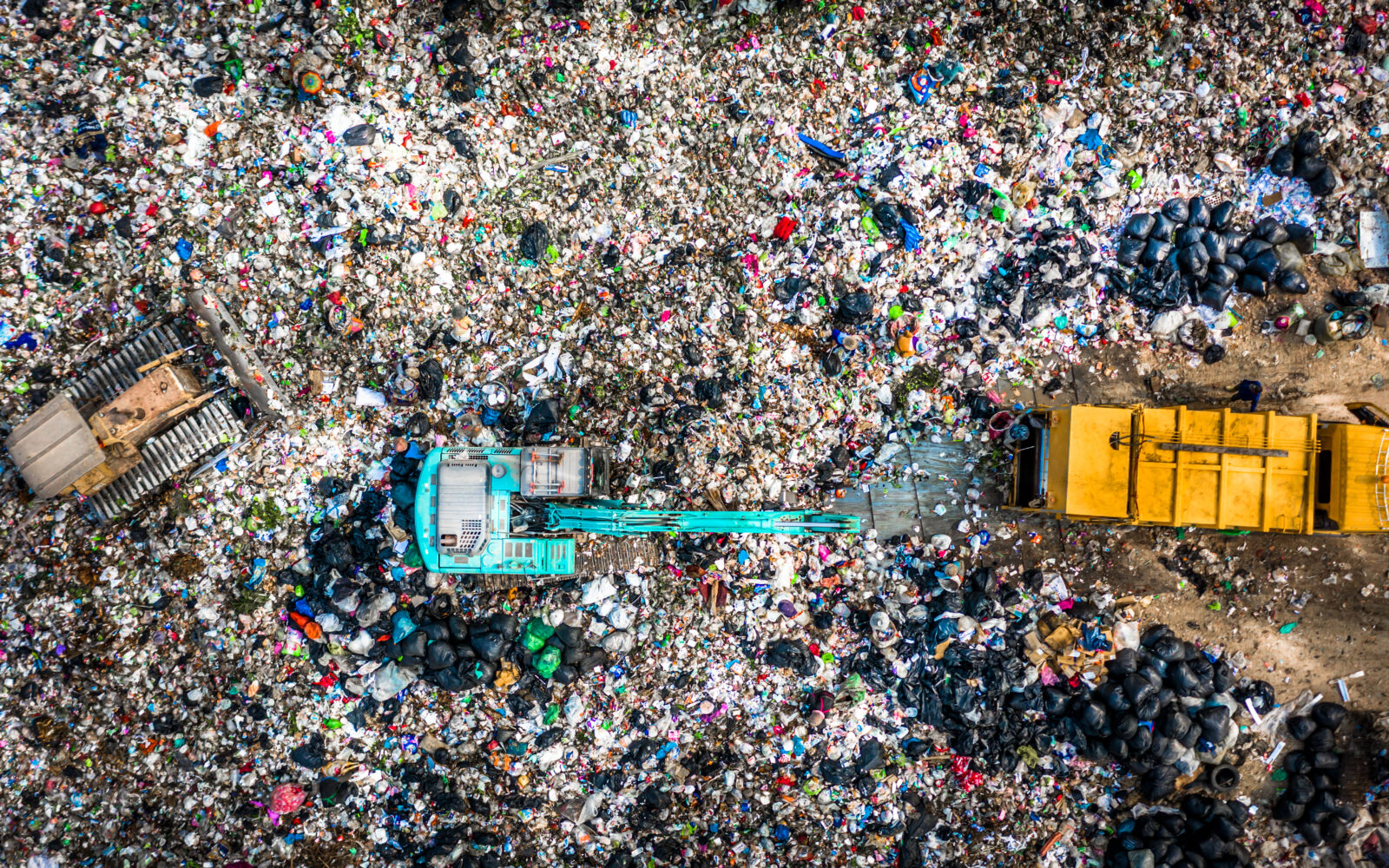
We look at CO₂ the same way we look at waste.
With physical waste, no one questions that it needs to be handled. Ideally recycled, or at least safely disposed of. The difference with CO₂ is that you can’t see it or smell it, so it’s often treated as something abstract. But the principle should be the same.
For companies, the question is simple: is your impact real? That’s where data becomes critical. We focus heavily on automated data collection so that everything happening on the field is actually measured, not assumed. You can precisely trace where the carbon goes, how it is stored, and how practices change over time.
We also build in a lot of conservativeness. Buffers, strict accounting, long-term commitments. Not because it is required, but because permanence matters. If you treat CO₂ as waste, you need confidence that it stays out of the atmosphere.
But the bigger idea is this: buyers are not just looking to dispose of carbon. They want to do something productive with it. Soil is one of the few systems that can take carbon and turn it into value. That’s why we chose this path. It allows companies to move from offsetting emissions to actively rebuilding natural systems – with transparency and long-term value.