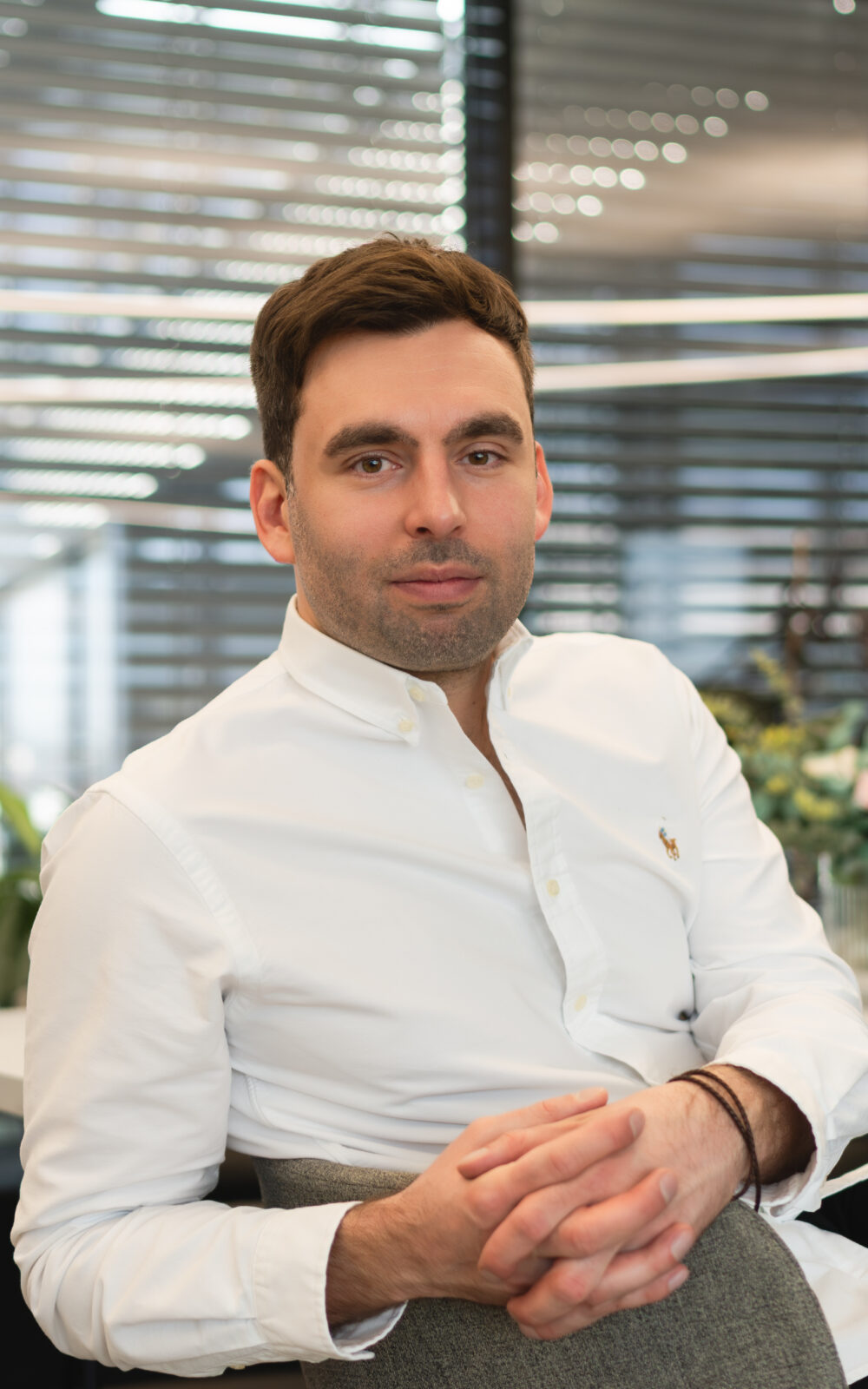
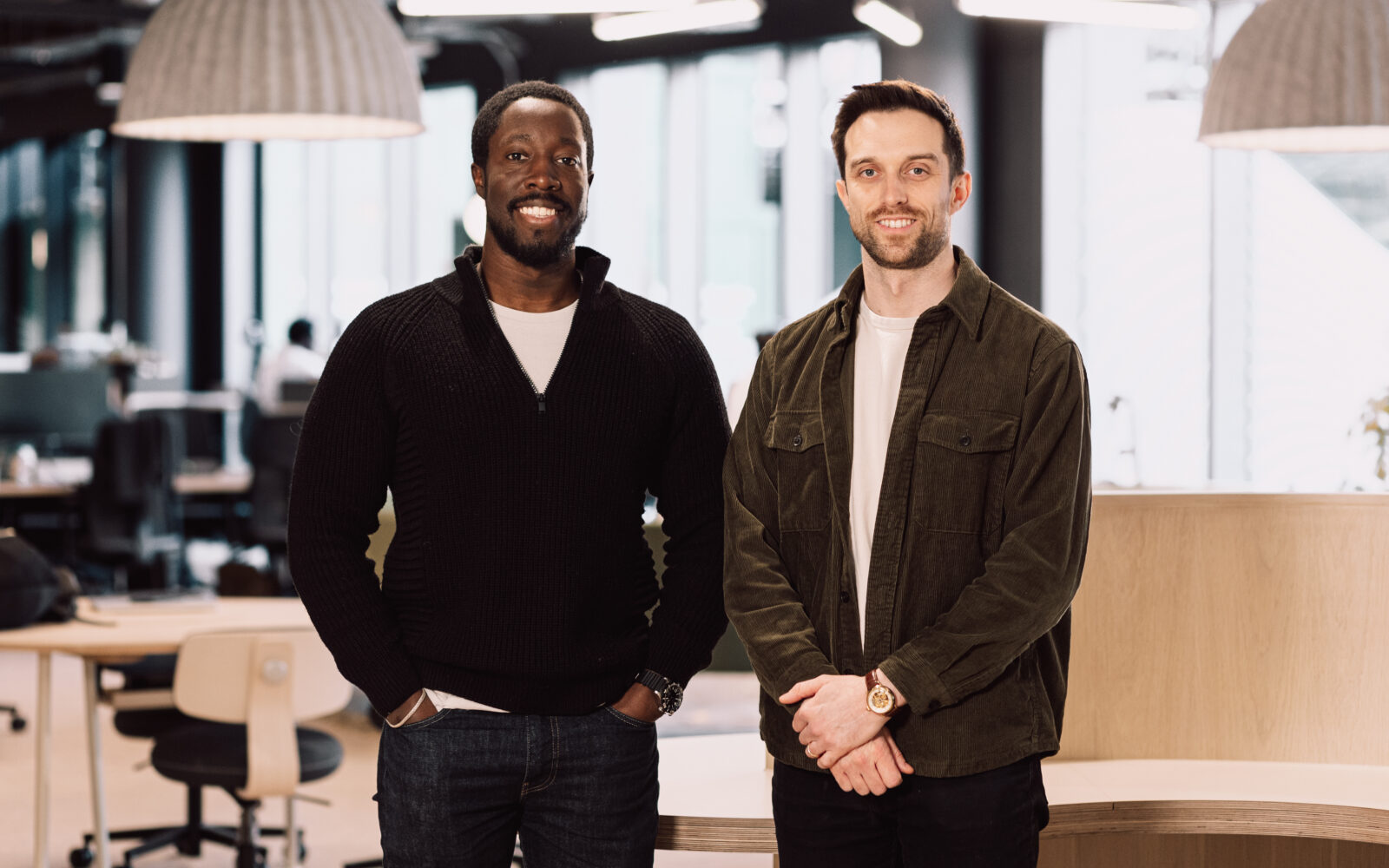
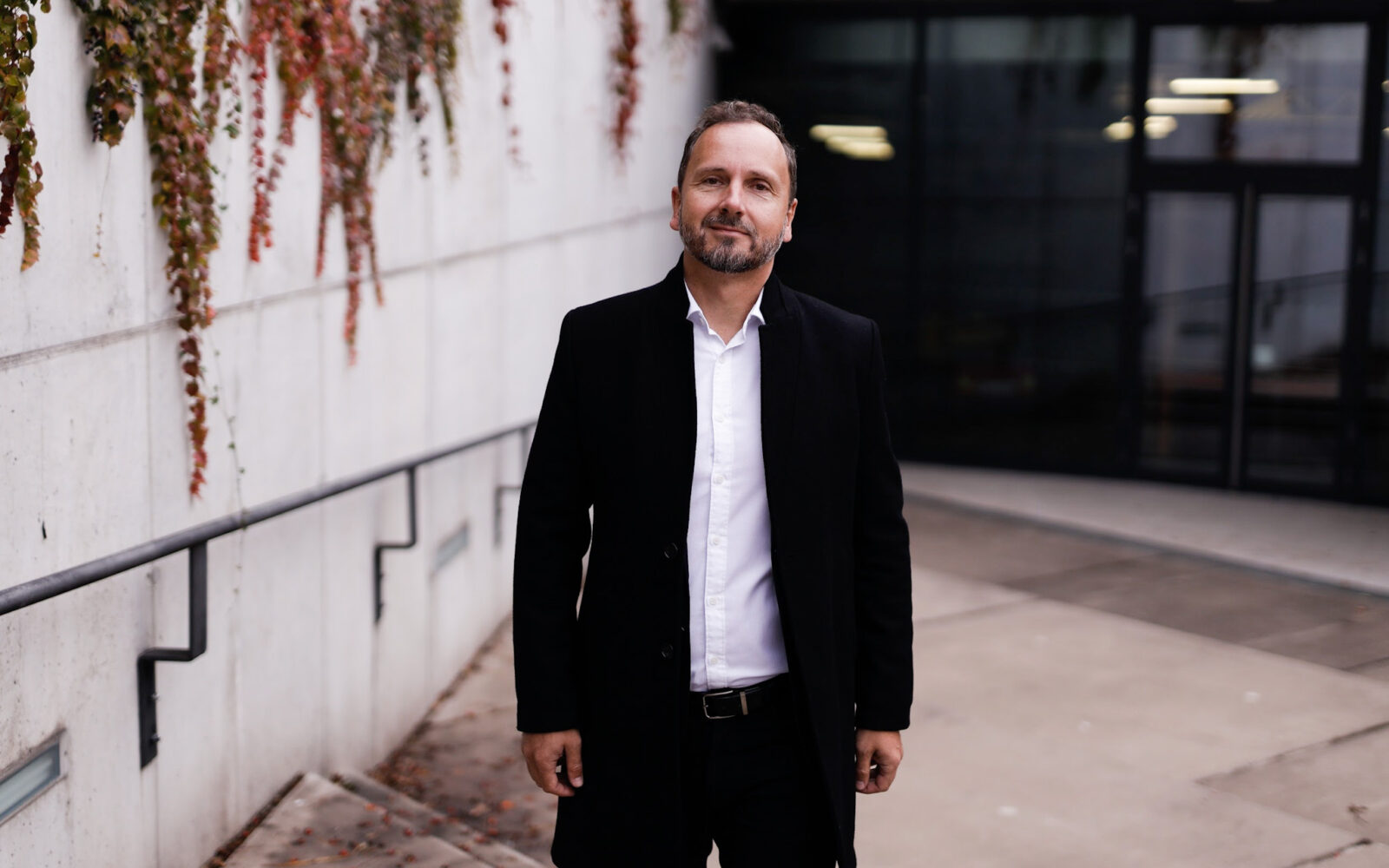
Charlie Cook didn’t just want to build a profitable company. He wanted to build one that tackled the climate crisis head-on. Merging his civil engineering roots with his experience launching EV products, Charlie founded Rightcharge. Today, his platform is accelerating the European transition to electric fleets by making home charging and reimbursement a breeze for businesses.
In this edition of Founders First, we sit down with Charlie to unpack what scaling this business actually looked like behind the scenes, and why building a startup is like riding a bike.
The Founder File
Stats first. This is the human behind the title – and here’s how his everyday actually looks like.
- Name: Charlie Cook
- Company: Rightcharge
- First investment raised: £100k (Friends & Family) in 2020
- Current team size: 16
- City and years lived there: London, 10
- Daily coffee count: 2
- Count of unread emails in your inbox right now: 2,779
- Hours of sleep you actually got last night: 5.5 (due to our baby, not Rightcharge), typically I get a good 7 hours – very important!
- Numbers of tabs you currently have opened: 3 (diligent closer)
The Inside Story
A pitch deck never tells the whole story. Here is what it actually took to build Rightcharge – from the genuine passion and early-stage hustle to the undeniable momentum of today.
It’s tricky to get Charlie on the phone. Understandably so. Rightcharge has had an incredibly busy year so far – we’re talking 20x ARR growth and over 200 direct fleet customers –, and the founder is currently mid-preparations for the announcement of the £500K follow-on investment while also getting ready for the Berlin EV Charging Conference. Once he talks about how it all started, however, you understand where all the drive comes from.
Charlie’s family has run a small business for two generations. But it wasn’t only the entrepreneurial bug in his genes that inspired him to start Rightcharge. What truly sparked the idea to focus on sustainability was watching Al Gore’s documentary, The Inconvenient Truth, realising “the world is fucked”, to give you a direct quote. That’s when Charlie decided to dedicate his career to mitigating climate change.
Years later, Rightcharge was the first business idea that Charlie could visualise bringing to life. As a Head of EV Charging at Octopus Energy, he most certainly had excellent training for launching a product – which, as he admits, is around 70% of launching a business. But the early days of Rightcharge required far more than that.
When asked about the beginnings, Charlie reminisces about the scrappiness of the first 12 months. The first-time founder employed his brother, a software developer, to get the first version of the website live, supporting himself by working two days a week at Octopus Energy and investing £30,000 of his own money into the business. This led to their first revenue and consistent month-over-month growth. But Rightcharge needed to formalize, so Charlie decided to raise a Friends & Family round among his closest circle. The £100,000 round – raised amidst the global COVID-19 pandemic – helped him transition to a full-time founder role and channel all his efforts into the next funding round two years later.
“If there was ever any breaking point, it was probably this one. I was full of doubt whether this round would close. And I thought that if it didn’t, it would probably be the end of the business.” Plot twist: the funding round did close, and things “have been going well since”, in Charlie’s understated words.
Just so you understand what well means, that translates to European expansion and partnerships with leading companies such as The Right Fuel Card (an Edenred company) and Fuuse. Moreover, Rightcharge is now recommended by Visa as a home charging reimbursement partner in Europe. And the customer retention consistently sits at a solid 99%.
“A successful founder taught me that building a startup is like riding a bike. If you’re riding really slow, and your momentum is low, it’s quite easy to fall off or to be pushed off. But the more momentum you build, and the quicker you’re going, the harder it is to fall. And I think that’s very true. We feel a lot more stable today, and a lot less fragile than we did two years ago,” comments Charlie and highlights the people who walk the journey with him.
“A successful founder taught me that building a startup is like riding a bike.”
Julia Stent is one of them – a fellow energy industry expert and Charlie’s trusted personal advisor for many years, who is now also the chair of Rightcharge’s board. Another key player is Kevin Ikelle, the CTO. Kevin came in as the first engineering hire two years after launching the business and has led the product since Rightcharge strategically shifted to B2B. “We operate like Co-Founders today,” notes Charlie. “I think you get the best results when you hire great people who are so good that all they need is trust, autonomy, and your support with whatever their goals are.”
Founder to Founder
No theory. We put Charlie in the hot seat for some unfiltered advice on leadership, fundraising, and the lessons you only learn by building.
“As an impatient entrepreneur, you’re always dissatisfied with what you’ve achieved in one year.”
What was the best idea you ever had?
One of the more creative ideas I’m still quite proud of was a campaign to get a client we really wanted to partner with – a specific vehicle leasing company. We hired the billboard right outside their office to make it look like we were running a massive national campaign. We got the billboard cheap as a pilot with a marketing agency, but everyone who went into that client’s office saw it every day. It paid off! We are currently in commercial discussions with them, and one of the key stakeholders we were targeting at the time is now one of our Angel investors.
What was the worst one?
Trying to scale our previous consumer business primarily through Google Ads. We spent a lot of money before realising that nobody really makes money from Google Ads apart from Google.
What has been the biggest surprise in building Rightcharge so far?
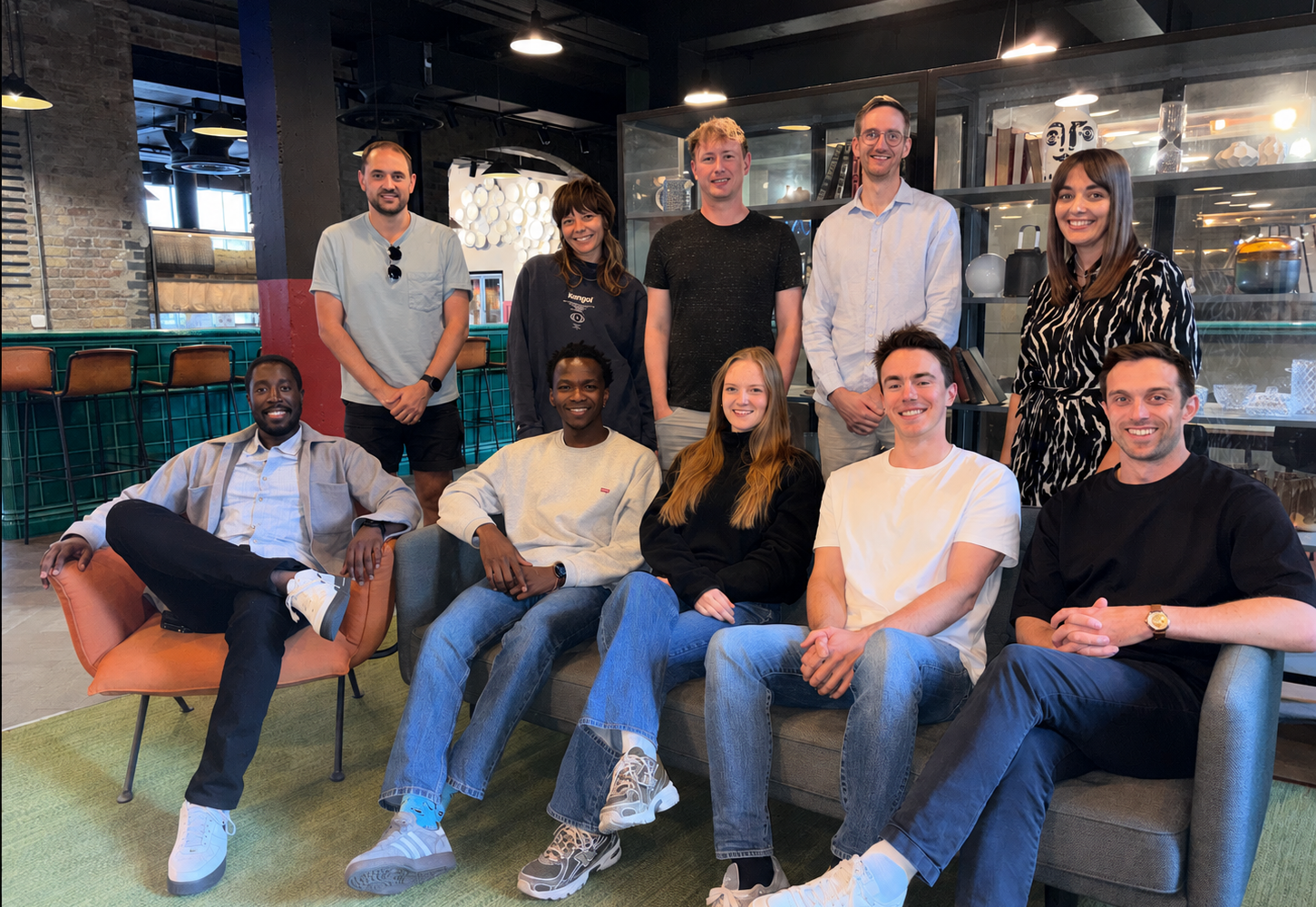
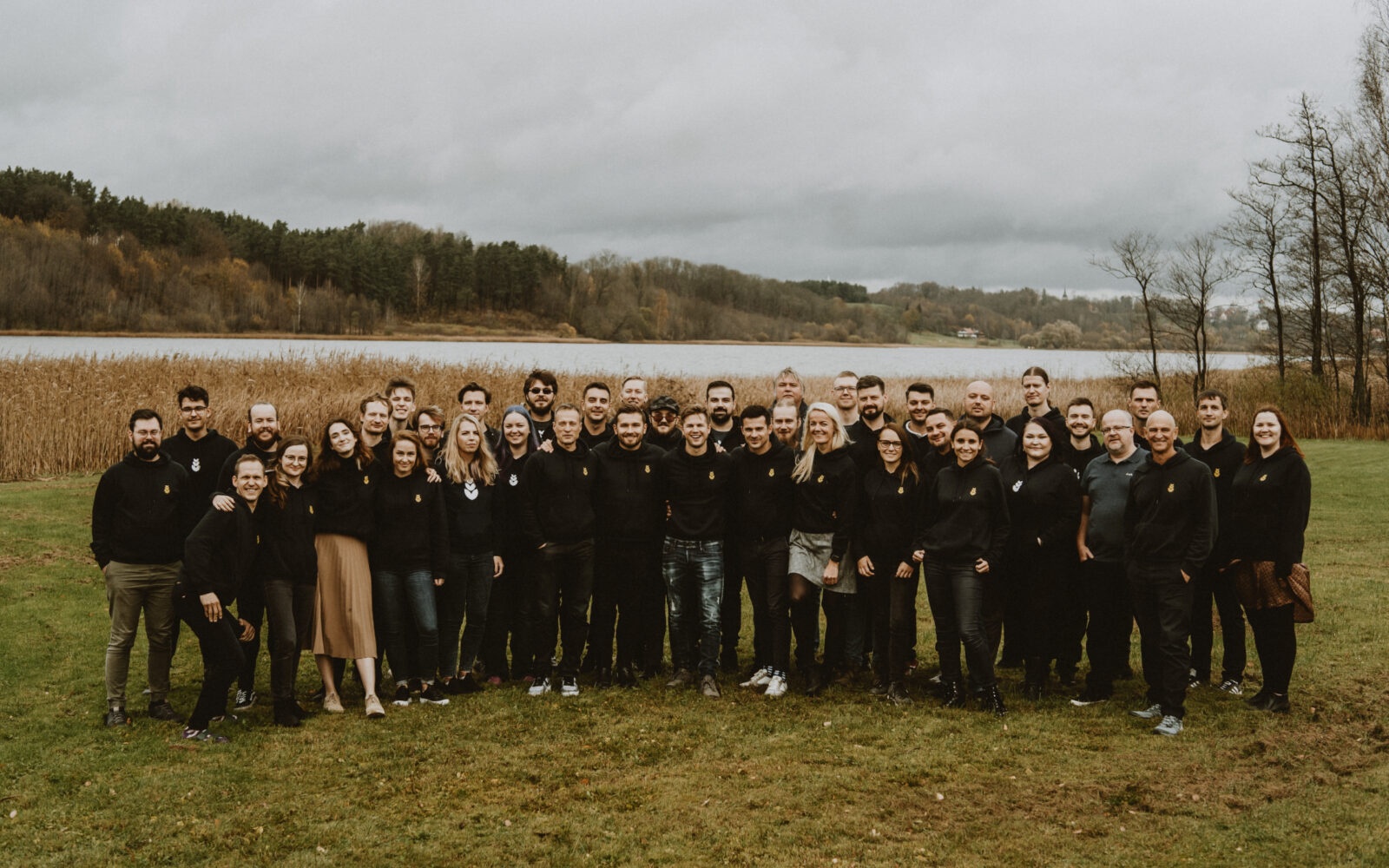
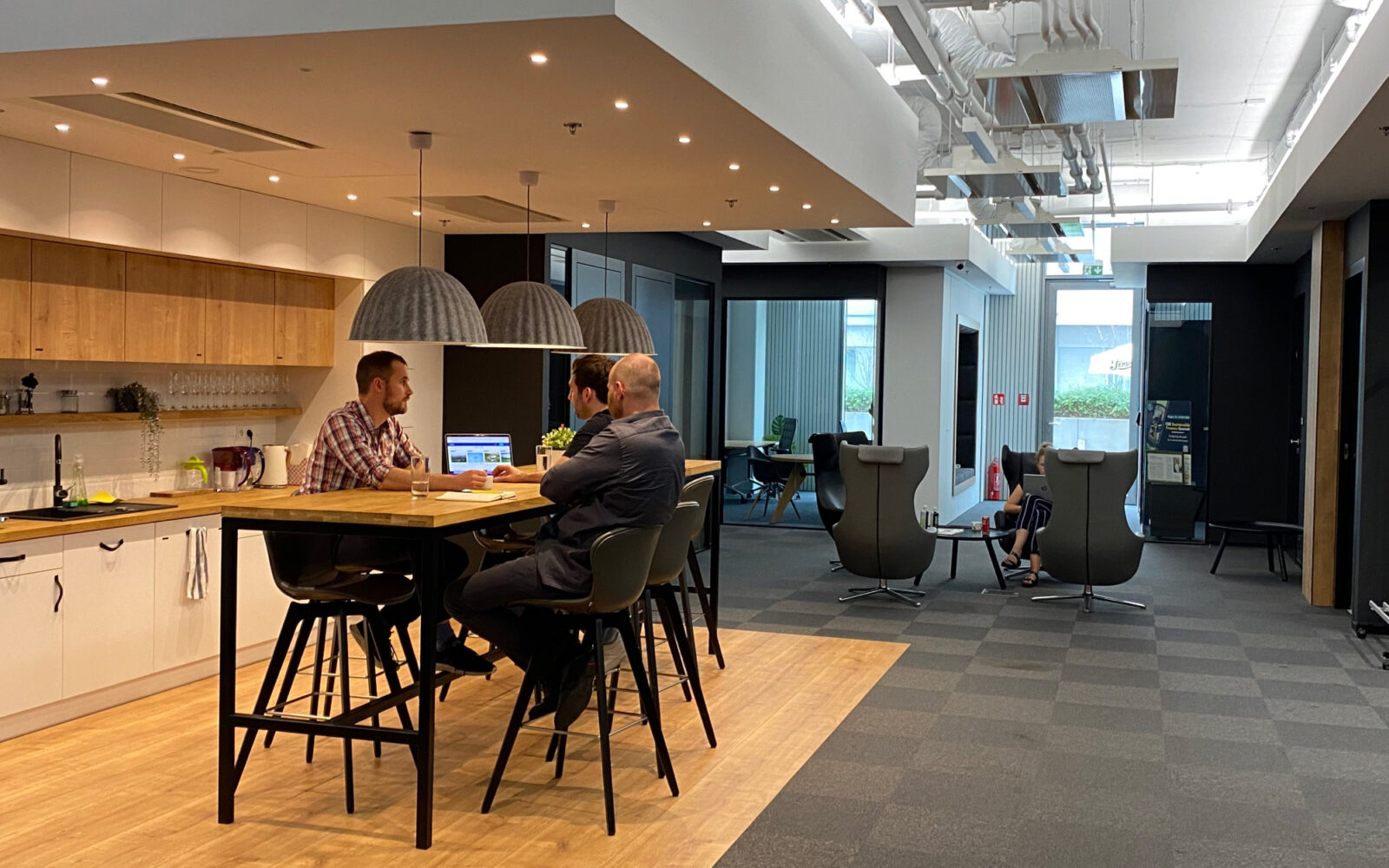
Definitely the team we’ve built. As a first-time founder, my initial focus was entirely on the product, the market, and growth, so I hadn’t given the team culture that much thought. But today, we still have 16 incredibly smart, hard-working, and low-ego people who share the same passion as me. And if I could pick from 1000 people, I would still choose them. It doesn’t feel like there is any hierarchical distance between us; it feels like a family unit, and it’s just awesome to turn up to the office and be surrounded by them.
What is a common piece of startup advice that you completely disagree with?
There’s an enormous amount of startup advice and I actually find it quite damaging for founders. My one general piece of guidance would be that if anyone ever gives you any advice that they present as if it is black and white, with no nuance, then it’s almost certainly bullshit.
For example, there’s a big debate right now about the startup working cultures. I think it’s super important to have a team that’s dedicated and ready to push when necessary. But founders who try to build companies where there’s a constant push for people to work crazy hours and weekends and have no downtime make a huge mistake, I believe. They’ll just burn through people and lose a lot of the value you’d otherwise get, if you built a company where smart people want to stay for a long time.
What’s one thing that every successful founder must get right?
You get the best environment when you create that kind of entrepreneurial spirit that allows people to go and try things and doesn’t punish them if they fail.
What advice would you give to yourself on day one of this journey?
You’ve made the best decision of your life, so don’t second guess it. It’s going to take a lot longer than you think, but it’s also going to contain things that are even more fun and exciting than you’ve imagined – alongside moments that are harder than you’ve ever experienced. But you’ll never regret it.
Where would you like to see Rightcharge in 5 and 15 years?
I think it was Bill Gates who said that humans overestimate what they can do in one year, but massively underestimate what they can do in 10. I find it so true. Especially as an impatient entrepreneur, you’re always dissatisfied with what you’ve achieved in one year. But when you’re doing this consistently for 5 to 10 years, I think you’re amazed at what you achieve over time because things compound and snowball.
In 10 to 15 years, there is no doubt we can be a global company operating across multiple continents, supporting millions of business drivers and removing the blockers that hold companies back from electrification. Beyond just reimbursing employees for home charging, we want to help fleets participate in advanced energy markets. Right now, that means unlocking revenue from grid flexibility. In the second half of this decade, vehicle-to-grid technology will become mainstream, allowing fleets to buy energy when it’s cheap and sell it back to the grid when prices are high. We want to be the platform helping European fleets generate value from those assets while balancing the grid.