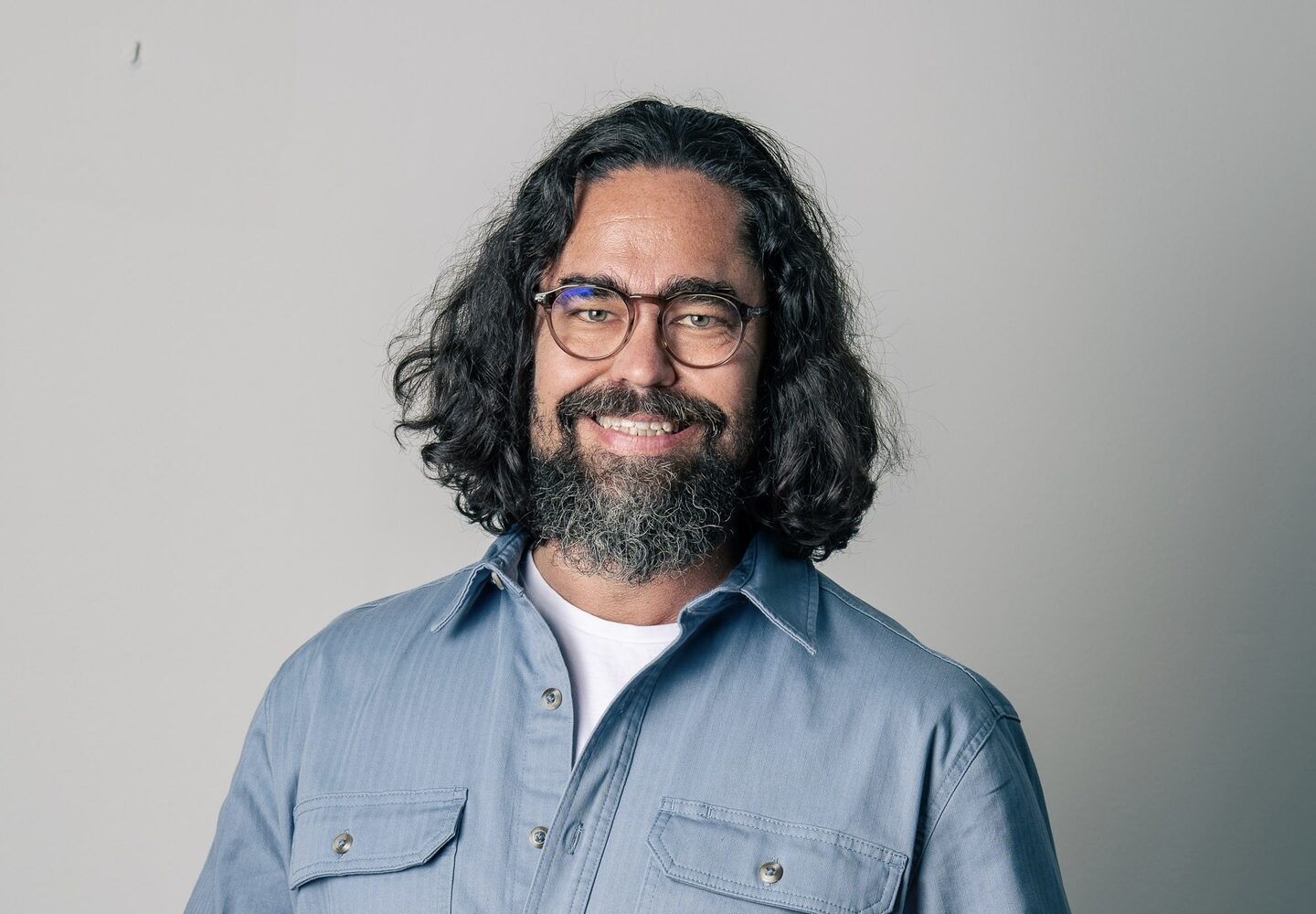
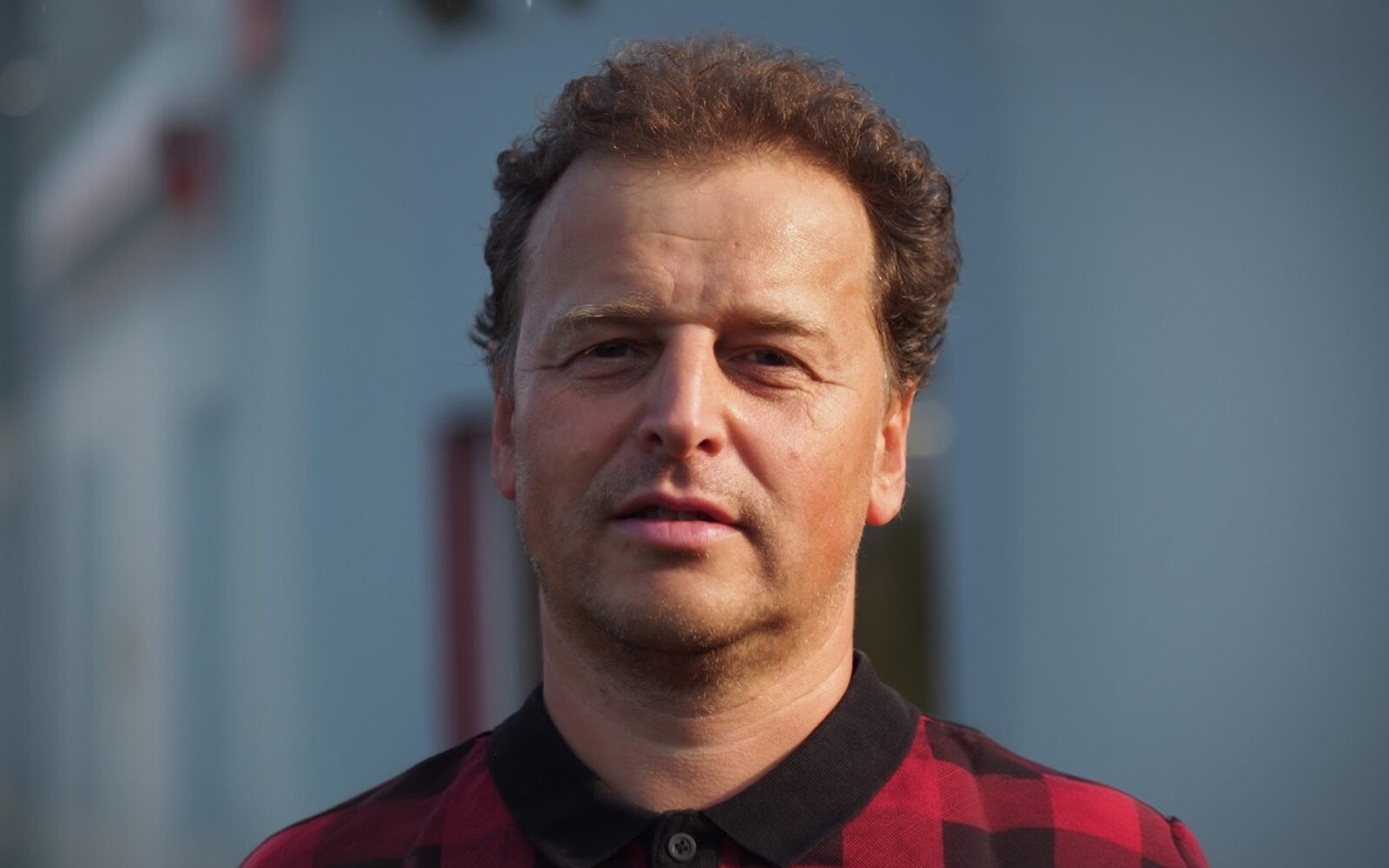
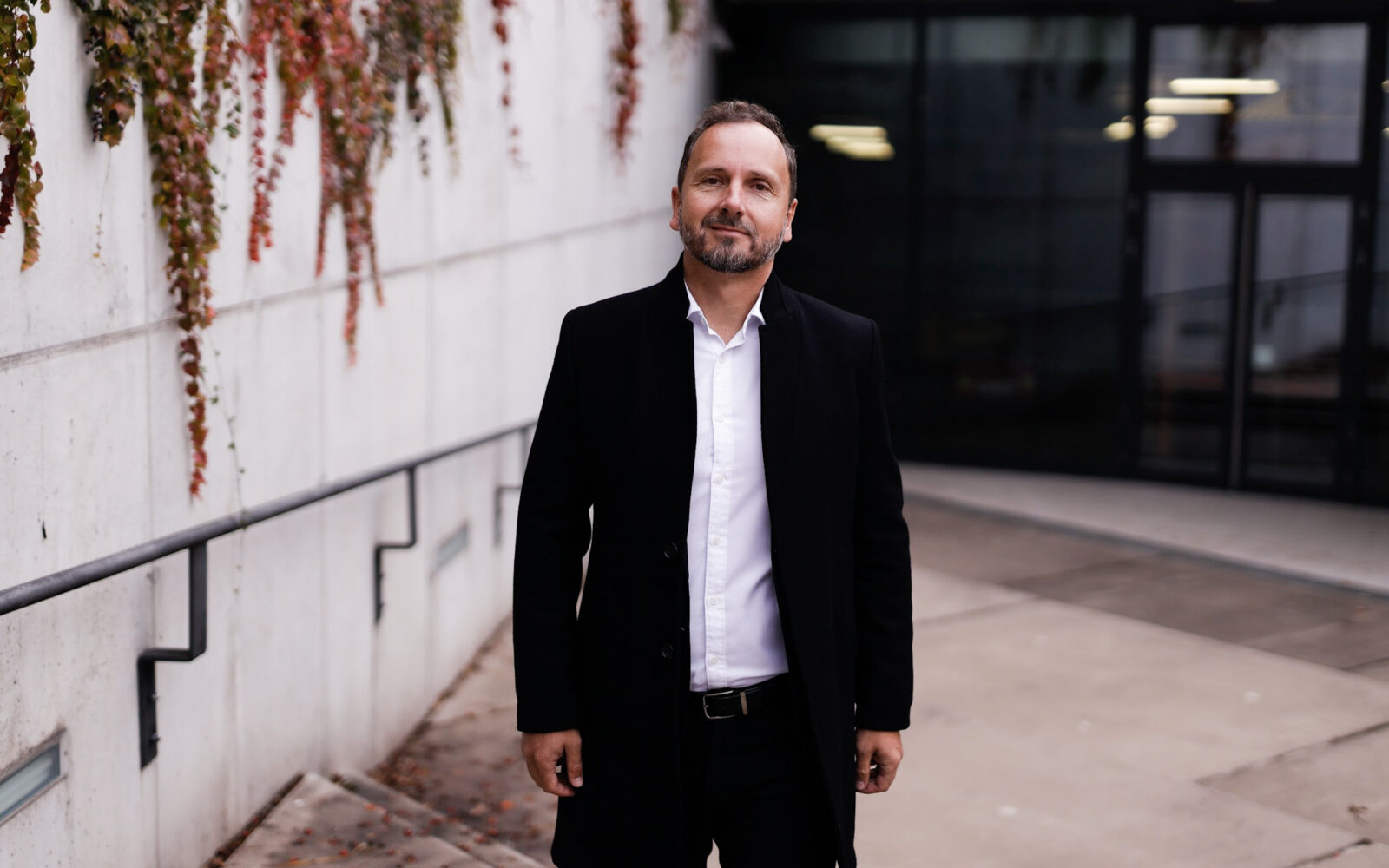
Meet Michal Ukropec. Visionary. Former Thaibox champion. #15 LinkedIn influencer in innovation worldwide. Marathon runner. And last but not least, the Co-Founder and CEO of twinzo – a global digital twin platform that helps clients monitor their warehouses, factories, airports, or hospitals on any device.
Michal is the first guest of our new Founders First series. This is where you get to meet our founders face to face, learn about their journey, and explore the reality of building a global business. We show the triumphs but also the sweat – the milestones but also the doubts.
Here is Michal’s story.
The Founder File
Stats first. This is the human behind the title – and here’s how his everyday actually looks like.
- Name: Michal Ukropec
- Company: twinzo
- First investment raised: €2.3M in 2023
- Current team size: 14 people
- City: Bratislava
- Daily coffee count: not a coffee drinker – so 0
- Number of unread emails in your inbox right now: 13
- Hours of sleep you actually got last night: 8
- Numbers of tabs you currently have open: 24
The Inside Story
A pitch deck never tells the whole story. Here is what it actually took to build twinzo – from the initial idea to painful reality checks and finding the momentum to scale.
It all started at a conference. Michal was approached by Jiří Žíla, his soon-to-be co-founder, who at the time was running FoodAudit, a catering management company. Jiří was curious whether Michal – as the founder of INFOTECH, a custom IT development firm – would know how to track people in real time. If you ask Michal about this encounter today, he laughs and admits that he didn’t have a clue (and neither did Jiří, whose background was in catering, not IT). But the question sparked a debate that led to prototyping the first digital twin and testing it with their very first client within a year. And just like that, twinzo started taking shape.
The idea for digital twins was never just a theory. The spin-off grew out of very real logistics bottlenecks and everyday operational frustration. Michal and his co-founders – Jiří Žíla, Patrik Paško, and Michal Celeng – saw time and again how factory managers operated with expensive SAP systems, only to completely lose track once a forklift left its designated storage zone. With twinzo, managers could suddenly open a live, 3D visual replica of their factory on a smartphone and watch each worker in real time as if it were a video game, instead of staring at delayed spreadsheet rows. You’d think winning companies over with a product this advanced would surely be seamless. You’d think.
“I’m always 10 years ahead of time. And that’s actually a problem.”
“I’m always 10 years ahead of time. And that’s actually a problem,” laughs Michal wryly as he describes the first years, when twinzo ran headfirst into a classic founder’s dilemma: being too early. While the platform’s potential was virtually limitless – capable of tracking assets everywhere from hospitals to airports or power plants – selling a futuristic tool to industries with wildly different levels of digital maturity proved to be impossible. To survive, the team had to brutally narrow the focus to industrial manufacturing and logistics, simply because those were the only verticals with a clear ROI and infrastructure ready to support them.
Was there ever a moment when they thought twinzo might actually fail? “I don’t think about failure,” shrugs Michal. “If I see a market that’s not yet completely saturated, I just treat the challenge as doable.” When you listen to him talk about how the dot-com crash of 2001 almost broke his back, you understand he means it. To Michal, the concept of failure just doesn’t resonate. There are only opportunities used or missed. In the case of twinzo, his blind dedication – paired with a clear product vision – proved to be the right strategy. After three years of relentless product refinement, twinzo delivered its first major project for Whirlpool in 2017. The technology was running. The client was happy. The added value was indisputable. And the momentum had finally shifted.
Finding the right investor, however, was a different story entirely. It took nine long years and countless, fruitless debates to find the right match; someone who wouldn’t kill their scaling with aggressive micromanagement or a short-sighted push for quick profits. Of course, Michal – as the active head of INFOTECH – could afford to wait for smart money and the right strategic partner. One that would understand that industrial logistics is a high-stakes environment where blind spots routinely bleed millions of euros. Take automotive giants like Škoda Auto, which employs thousands of people solely to manage its logistics operations. Transforming an ecosystem of that size isn’t a weekend sprint. Michal needed partners who knew that an enterprise sales cycle in this world takes 12 to 24 months, not days – and who would see twinzo’s complexity as visionary, not burdensome.
“I don’t think about failure. If I see a market that’s not yet completely saturated, I just treat the challenge as doable.”
That’s where Soulmates Ventures came in. Alongside Critical Ventures, Venture to Future Fund, and DEPO Ventures, we invested the €2.3M that enabled twinzo to take a radical step toward global scaling. Following the raise, Michal made the pivotal decision to hand over the reins of INFOTECH and dedicate his full focus to transforming twinzo into a global standard for 3D operational intelligence. The next step on that global roadmap is the US market, with key groundwork already underway – though specific details remain confidential for now.
If you ask Michal what he would be doing if twinzo didn’t exist, he laughs again. Between Thai boxing and the occasional marathon here and there, he would most certainly keep himself busy. Perhaps by finally launching the development institute that is waiting patiently on his post-exit agenda. This is a mission Michal resonates with deeply: finding and supporting talented kids across the country who just need the right mentorship and resources to shine. For him, it’s a positive, practical way to give back and move society forward.
Founder to Founder
No theory. We put Michal in the hot seat for some unfiltered advice on leadership, fundraising, and the lessons you only learn by building.
What was the best idea you ever had?
The best ideas were actually not mine – I was just the one to deliver their execution. But broadly speaking, my first company, INFOTECH, where my Swiss client asked whether I’d be interested to work for them on a bigger scale. Then twinzo, of course. My Linkedin and then thepodcast Kolotočári I run together with Michal Gula.
What was the worst one?
No particular idea comes to mind, besides a more general one – to fire people slowly. Luckily, I learn fast.
What has been the biggest surprise in building twinzo so far?
It’s been a combination of many things. The level of technological excellence we have combined with an unexpected business development approach, the level of recognition for my personal brand, our podcast, and the way it resonates with people.
What is a common piece of startup advice that you completely disagree with?
That the investors know better than you do. This may be true in many cases, but ever so often, the investors have no clue what they are doing. Not the case of Soulmates Ventures, but I saw this happen one too many times. Choose wisely.
What’s one thing that every successful founder must get right?
Handle people. Poor leadership kills everything.
What advice would you give to yourself on day one of this journey?
Each month, invest €1.000 in the S&P 500. After 12 years, you’ll have at least €250.000. And after 27 years in business, it would be more than €1.5M. Easy to do – and making life much easier later on.
Where would you like to see twinzo in 5 and 15 years?
Right now, we are living the future we saw five years ago. Besides global scaling, our big target is dark factories. We want to be the remote control for plants that run completely on robots, with the lights off and zero people on the floor.